In a fast-paced business world where meetings, emails, and negotiations often dominate the landscape, the power of shared meals is sometimes overlooked. Yet, food remains one of the most fundamental human experiences—deeply personal, inherently social, and capable of shaping impressions in subtle but powerful ways. In corporate settings, catering is not merely about sustenance. It is a strategic tool to foster connection, establish trust, and strengthen business relationships.
From casual working lunches to elaborate client receptions, every meal shared under the banner of business carries meaning. It speaks to how a company values its stakeholders, treats its partners, and appreciates its teams. With the right approach, corporate event catering transforms interactions from transactional to relational—turning meetings into moments and connections into collaborations.
Building Trust Through Hospitality
Trust is the cornerstone of every successful business relationship. While contracts, KPIs, and deliverables may drive outcomes, trust is what sustains partnerships. Offering a thoughtfully prepared meal or organizing catered events signals more than generosity—it shows intent. It says, “We value this relationship enough to invest in comfort, quality, and time.”
Catering allows businesses to demonstrate hospitality on both micro and macro levels. Whether it’s offering premium coffee during a client pitch or hosting a celebratory BBQ for partners after closing a deal, food communicates reliability and warmth. It softens boundaries, fosters openness, and creates an environment where dialogue flows more freely.
In corporate cultures where time is often equated with value, dedicating space for a shared meal can feel luxurious—and that sense of care does not go unnoticed.
Setting the Stage for Meaningful Conversations
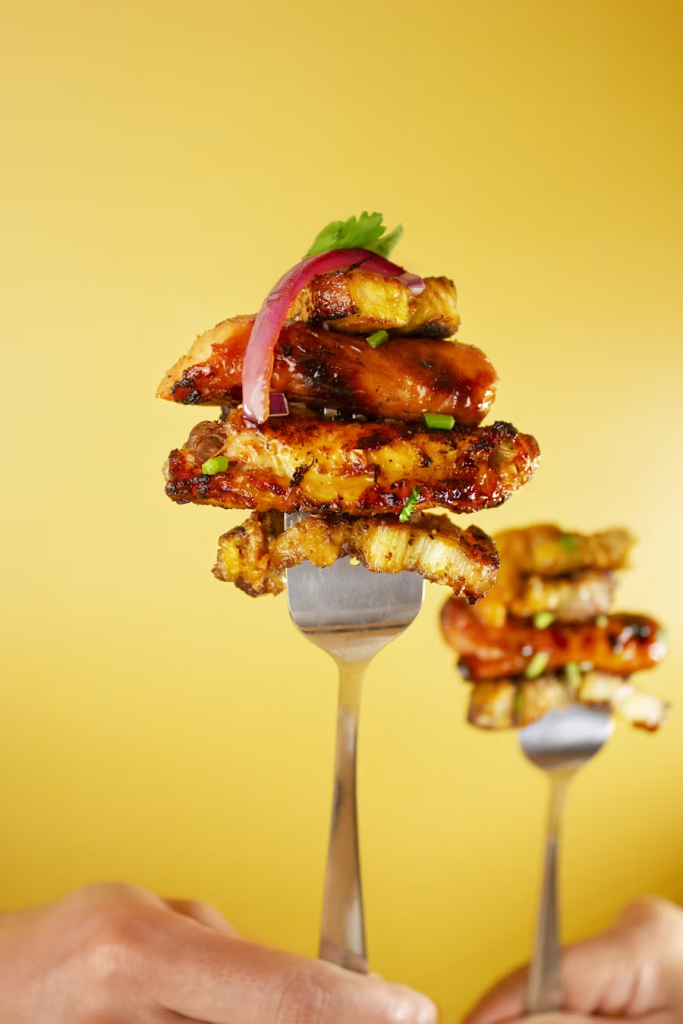
Business discussions thrive in the right atmosphere. Catered meals, particularly when tailored to suit the audience and occasion, provide a relaxed setting for authentic conversation. A buffet lunch during a seminar encourages mingling across departments. A tapas-style tasting at a networking event promotes casual introductions. A BBQ dinner after a day of presentations breaks down formality and invites informal exchanges.
These moments matter. In the margins of official agendas—over a plate of satay or between servings of grilled chicken—new ideas are sparked, deals are softened, and alliances begin. The informality of a shared meal levels the playing field, making it easier for junior team members to connect with senior leadership, or for clients to move from cautious interest to active engagement.
The food is not the topic—it’s the medium. And when chosen well, it acts as a facilitator of connection.
Reflecting Brand Values Through Cuisine
Food is a storytelling vehicle. Every menu, every bite, and every style of service sends a message. For businesses, catering offers an opportunity to align culinary choices with brand values.
A company committed to sustainability might choose eco-friendly caterers who use local, seasonal ingredients and compostable serveware. A tech startup positioning itself as bold and innovative may opt for an interactive BBQ catering experience, complete with live grilling and creative fusion dishes. A luxury consultancy might serve plated fine-dining fare with wine pairings that reflect elegance and precision.
These decisions do more than fill stomachs—they reinforce identity. They show that the company knows who it is, what it stands for, and how it wants to be perceived. Guests, consciously or not, take note of this alignment, and it adds to their perception of the brand’s consistency and credibility.
Enhancing Client and Partner Loyalty
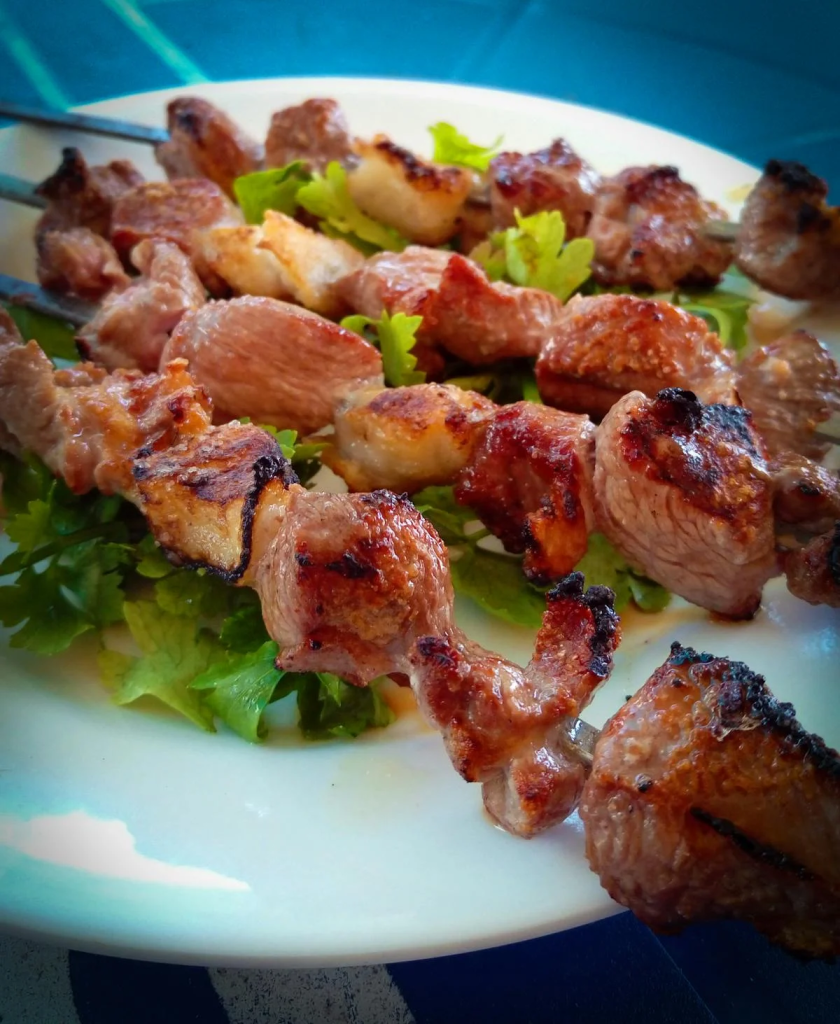
Clients remember how they’re treated outside the meeting room. A well-catered client appreciation night or a gourmet business brunch demonstrates that the company sees value in the relationship beyond profit margins. These gestures foster loyalty by showing that engagement is not purely transactional.
Corporate catering also provides opportunities to personalize the experience. Menus can reflect clients’ cultural backgrounds, dietary preferences, or favorite dishes—subtle touches that make guests feel seen and appreciated. It’s these small but significant details that often leave the biggest impressions.
Loyalty is not built overnight, but it is reinforced through repeated gestures of care. Strategic catering—done consistently and thoughtfully—becomes a touchstone of that care.
Strengthening Internal Teams Through Shared Meals
While much focus in corporate catering is placed on clients and external stakeholders, its impact on internal culture should not be underestimated. Shared meals among colleagues help build camaraderie, reduce stress, and foster team spirit. This is particularly crucial in hybrid or remote work environments, where in-person connection is less frequent.
From casual Friday lunches to quarterly celebration dinners or themed BBQs, catering creates opportunities for teams to unwind and reconnect. These gatherings support morale, encourage cross-functional interaction, and provide an informal backdrop for collaboration.
Managers who use catering strategically often find that it boosts employee satisfaction and productivity. When teams feel appreciated and seen, they are more likely to engage deeply with their work and the organization’s mission.
Facilitating Global and Cultural Sensitivity
In a city like Singapore—where business relationships span continents and cultures—corporate catering takes on an added layer of importance. Food choices must be culturally sensitive and inclusive, respecting religious dietary restrictions and diverse culinary traditions.
Offering halal-certified meals, vegetarian alternatives, and allergy-friendly options is more than a best practice—it is a sign of respect. It reflects an understanding that cultural sensitivity is central to building global relationships and fostering inclusive environments.
Corporate caterers in Singapore are well-versed in this aspect of service, often offering customizable menus that meet complex cultural requirements without sacrificing taste or presentation. This capability ensures that every guest, regardless of background, feels welcome and accommodated.
Creating Moments That Last Beyond the Meal
Great meals create memories. Long after the final presentation or networking round, guests will remember the taste of perfectly grilled satay, the aroma of sambal stingray, or the smoothness of a handcrafted dessert. These sensory experiences linger and contribute to the emotional impression of the event.
When food becomes memorable, the event becomes memorable. And when the event is memorable, the business behind it gains visibility, favorability, and relevance in the minds of its audience.

Corporate event catering, when executed thoughtfully, turns brief encounters into meaningful stories—stories that clients retell, that colleagues appreciate, and that partners remember fondly when it’s time to collaborate again.
Final Thoughts
The true power of food in business lies not just in what is served but in what it represents. It is a medium of expression, a gesture of goodwill, and a strategy for connection. From boardroom breakfasts to BBQs by the bay, catering holds the ability to transform events into experiences and transactions into relationships.
In a business environment where differentiation is key, food becomes a powerful, humanizing force. It softens edges, opens doors, and brings people to the table—literally and metaphorically. For companies looking to strengthen their relationships from within and beyond, the message is clear: never underestimate the influence of a well-prepared meal.


Subscribe to learn more about AI
By clicking “Subscribe” you agree to Semrush Privacy Policy and consent to Semrush using your contact data for newsletter purposes