Urban living in Singapore offers access to modern infrastructure, sleek architecture, and efficient public amenities—but it also brings with it a fast-paced lifestyle that can leave little room for relaxation. What makes Singapore truly exceptional among global cities is its seamless integration of greenery into the urban landscape. Often called the “Garden City,” Singapore has managed to transform itself into a haven where natural beauty and city living coexist harmoniously.
Despite its compact size and dense population, Singapore is home to a surprising number of parks, gardens, and nature reserves that provide tranquil spaces for both residents and visitors. These green zones are not merely decorative; they are integral to Singapore’s urban planning and ecological commitment. Whether you’re looking for a weekend hike, a serene stroll among heritage trees, or a place to breathe deeply away from the hum of traffic, there is a nature escape close at hand.
Singapore Botanic Gardens
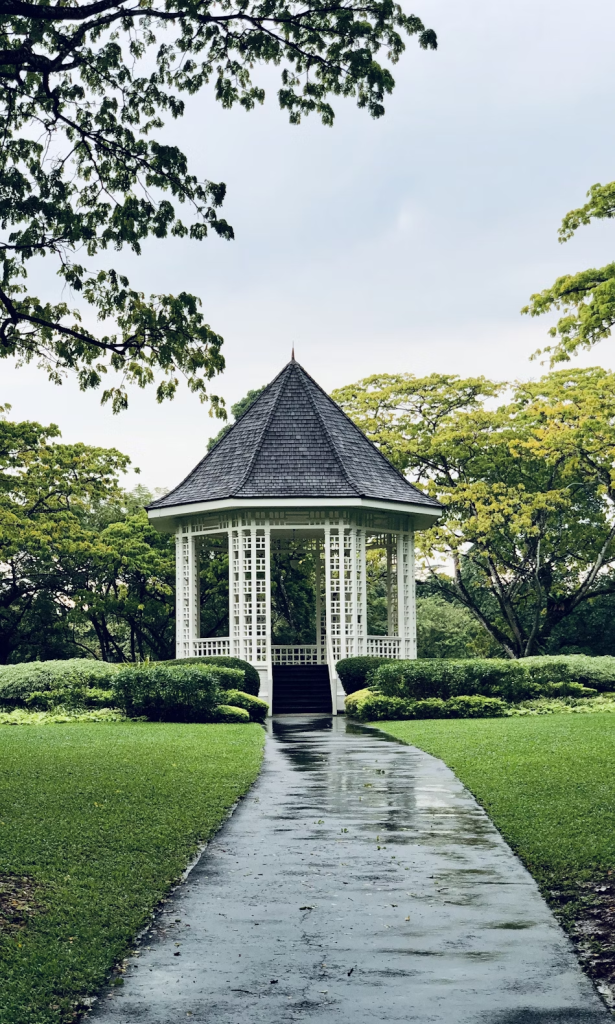
One of the city’s crown jewels, the Singapore Botanic Gardens stands as a shining example of conservation, culture, and community all in one space. Established in 1859, it is one of the oldest and most iconic green spaces in Singapore. Its designation as a UNESCO World Heritage Site underscores its global significance, not just as a recreational park but as a hub for botanical research and biodiversity preservation.
Spanning 82 hectares, the gardens offer a wide variety of thematic areas, including the Ginger Garden, Evolution Garden, and the ethereal Swan Lake. The National Orchid Garden within its grounds is a standout feature, showcasing over a thousand orchid species and thousands more hybrids. Besides offering a feast for the senses, the gardens also house a patch of preserved primary rainforest—one of the few remaining in Singapore. It’s a destination where a morning walk can easily stretch into an entire day of exploration and relaxation.
Gardens by the Bay
When thinking of nature woven into urban design, Gardens by the Bay is perhaps the most striking visual representation of that concept. Situated beside Marina Bay Sands, this 105-hectare futuristic garden is as much a feat of architecture as it is of horticulture. Divided into three sections—Bay South, Bay East, and Bay Central—each garden offers a different experience.
Bay South Garden is the largest and most iconic, home to the Supertree Grove, a collection of vertical gardens ranging from 25 to 50 meters tall. These structures are more than visually impressive; they are functional, designed to mimic the ecological processes of real trees, complete with photovoltaic cells and rainwater collection systems. The Flower Dome and Cloud Forest conservatories create controlled climates that house plant species from arid deserts and misty mountain forests, respectively. These curated environments offer a rare chance to experience global plant life within a single space.
MacRitchie Reservoir Park
If the goal is immersion in untouched forest and water-centric activities, MacRitchie Reservoir Park delivers on both fronts. As Singapore’s oldest reservoir, it serves as a serene escape from urban life and is especially beloved by locals for its hiking trails and biodiversity.
One of the highlights of MacRitchie is the TreeTop Walk, a 250-meter suspension bridge that allows visitors to walk above the forest canopy, offering a rare vantage point for observing flora and fauna. The nature trails range in difficulty, accommodating both casual walkers and seasoned hikers. The reservoir itself also supports kayaking and canoeing, making the park a well-rounded destination for both land and water-based activities.
Bukit Timah Nature Reserve
For those who seek elevation and a bit of challenge, Bukit Timah Nature Reserve is an essential visit. It is home to Singapore’s highest natural point at 163 meters above sea level. While this may seem modest by global standards, it offers enough gradient to deliver a satisfying climb and panoramic views of the surrounding forest.
Covering just under two square kilometers, the reserve boasts one of the largest remaining patches of primary rainforest in the country. It’s a biodiversity hotspot, with over 840 species of flowering plants and more than 500 species of animals. Trails vary from casual boardwalks to steep, rocky paths, offering something for every level of adventurer. It’s not uncommon to spot long-tailed macaques, monitor lizards, or even colugos—also known as flying lemurs—on a visit here.

Southern Ridges
The Southern Ridges is a network of trails and elevated walkways stretching over 10 kilometers, connecting Mount Faber Park, Telok Blangah Hill Park, HortPark, Kent Ridge Park, and Labrador Nature Reserve. This green corridor is particularly appealing for those who appreciate both panoramic city views and lush natural surroundings.
One of its most photographed features is the Henderson Waves, a pedestrian bridge 36 meters above the ground with a unique wave-like form. The bridge’s timber shell and curved design make it a popular destination for sunset photography and evening walks. As you move through the trail system, the landscape shifts from manicured gardens to dense secondary forests, offering a dynamic experience in a single outing.
East Coast Park
While not a forested reserve, East Coast Park plays an important role in Singapore’s green space ecosystem by providing beachfront leisure and open air. Stretching more than 15 kilometers along the southeastern coastline, this park covers 185 hectares and is a magnet for both residents and tourists.
Here, greenery meets the sea. Palm-lined cycling paths, barbecue pits, seaside dining, and playgrounds make it a family-friendly haven. The park is also popular for rollerblading, fishing, and water sports such as stand-up paddling. For those seeking more than just nature, East Coast Park provides that rare blend of open skies, ocean breezes, and greenery all in one location.
Fort Canning Park
Smack in the middle of the city, Fort Canning Park offers a green escape with historical depth. Once the seat of Malay royalty and later a key military site during British rule, the park is dotted with colonial structures, old gatehouses, and even World War II bunkers.
Beyond its history, Fort Canning is rich in botanical variety, featuring themed gardens like the Spice Garden and Artisan’s Garden. Its elevation allows for cool breezes and sweeping views of the downtown area. It’s not unusual to find locals practicing tai chi in the morning or attending outdoor theatre performances in the evening—all within the park’s shaded, tree-lined spaces.

Jurong Lake Gardens
Located in the western part of Singapore, Jurong Lake Gardens is the third and newest national garden, integrating Lakeside Garden, Chinese Garden, and Japanese Garden into a unified 90-hectare space. It is designed with inclusivity in mind, offering amenities that cater to seniors, children, and persons with disabilities.
Among its standout features is Forest Ramble, a sprawling nature-themed playground designed to engage children with elements inspired by native wildlife. The waterfront boardwalk and open lawns encourage strolling, picnicking, and community gatherings, making it a modern, multi-generational destination.
Sungei Buloh Wetland Reserve
For a more ecological experience, Sungei Buloh Wetland Reserve offers a unique look at Singapore’s wetland biodiversity. Recognised as the country’s first ASEAN Heritage Park, it is a vital site for migratory birds and local wildlife. Elevated boardwalks and observation hides allow visitors to move quietly through mangrove forests, mudflats, and freshwater ponds without disturbing sensitive ecosystems.
It’s a favorite destination for birdwatchers, with the opportunity to see species such as herons, kingfishers, and even crocodiles in their natural habitat. Educational signage throughout the reserve makes it a rewarding visit for families and nature enthusiasts alike.
Pulau Ubin
Located just a short ferry ride from Changi Point, Pulau Ubin offers a nostalgic return to Singapore’s kampong heritage. With rustic trails, abandoned granite quarries, and traditional wooden homes, the island presents a stark contrast to the mainland’s sleek infrastructure.
Cycling is the preferred way to explore the island, and paths lead to highlights like Chek Jawa Wetlands, where six distinct ecosystems converge. From mangroves to coral rubble, the biodiversity here is extraordinary. Pulau Ubin is an enduring reminder of Singapore’s past and a cherished retreat for those who crave a slower pace and deeper connection with nature.
Final Reflections
Singapore’s dedication to incorporating green spaces within its dense urban environment is not just a matter of beautification—it’s a blueprint for sustainable urban living. These spaces are essential not only for leisure and health but also for conserving biodiversity, managing heat, and building community resilience. Each green space, whether a dense rainforest trail or a waterfront promenade, offers a different kind of escape. And together, they form the breathing lungs of one of the world’s most dynamic cities.


Subscribe to learn more about AI
By clicking “Subscribe” you agree to Semrush Privacy Policy and consent to Semrush using your contact data for newsletter purposes