As employee wellbeing becomes central to corporate strategy in 2025, food services have evolved from a functional offering to a key component of workplace experience. Providing meals is no longer about convenience alone; it plays a critical role in boosting morale, supporting wellness initiatives, enhancing productivity, and even reinforcing a company’s brand identity. But when deciding how to deliver food to employees, organizations face a pivotal choice: should they invest in building and managing an in-house cafeteria, or outsource their food provision to an external corporate catering service? Each approach carries distinct financial implications, operational dynamics, and cultural impacts.
The decision between in-house cafeterias and outsourced catering isn’t merely about dollars and cents. It involves evaluating long-term goals, operational complexity, employee preferences, and the kind of workplace culture a company wants to foster. This detailed analysis explores both options across multiple dimensions to help companies determine which approach offers the best return on investment while aligning with their strategic vision.
Operational Overview and Logistics
An in-house cafeteria typically involves a dedicated kitchen and dining space within the workplace. The company assumes responsibility for hiring chefs, managing menus, procuring ingredients, maintaining kitchen hygiene, and complying with food safety regulations. It’s a self-contained operation that demands oversight and continuous engagement from facilities and HR departments. While this setup offers full control over food quality, customization, and aesthetics, it also introduces complex logistical and compliance challenges.
On the other hand, outsourcing corporate catering means partnering with a third-party provider who delivers meals to the workplace, either daily or on a scheduled basis. This provider manages food preparation, delivery logistics, and in many cases, offers digital tools for menu selection and feedback. Companies don’t need to build kitchens or hire full-time culinary staff, which dramatically reduces overhead. However, the trade-off comes in the form of reduced direct oversight and dependency on vendor performance for service reliability.
Financial Considerations and Cost Structures
One of the most critical factors for most organizations is cost. In-house cafeterias involve significant upfront capital expenditure. Companies must invest in kitchen infrastructure, cooking and refrigeration equipment, ventilation systems, dining furniture, and interior design. Beyond initial setup, ongoing expenses include staff salaries, utilities, food procurement, waste management, cleaning, and equipment maintenance. These costs are largely fixed, which means even during periods of low employee presence—such as hybrid workweeks or holiday seasons—expenditures remain constant.
Outsourced catering transforms many of these fixed costs into variable ones. Companies typically pay per meal or per service, enabling better alignment between costs and actual usage. This model supports scalability, allowing organizations to ramp up or down based on workforce presence or budget fluctuations. Moreover, many caterers offer tiered pricing or subscription models, further enhancing cost predictability. However, while per-meal costs may appear higher than the marginal cost of a cafeteria lunch, the absence of capital investment and operational complexity can lead to lower total cost of ownership over time—particularly for small to mid-sized businesses.
Quality, Variety, and Customization
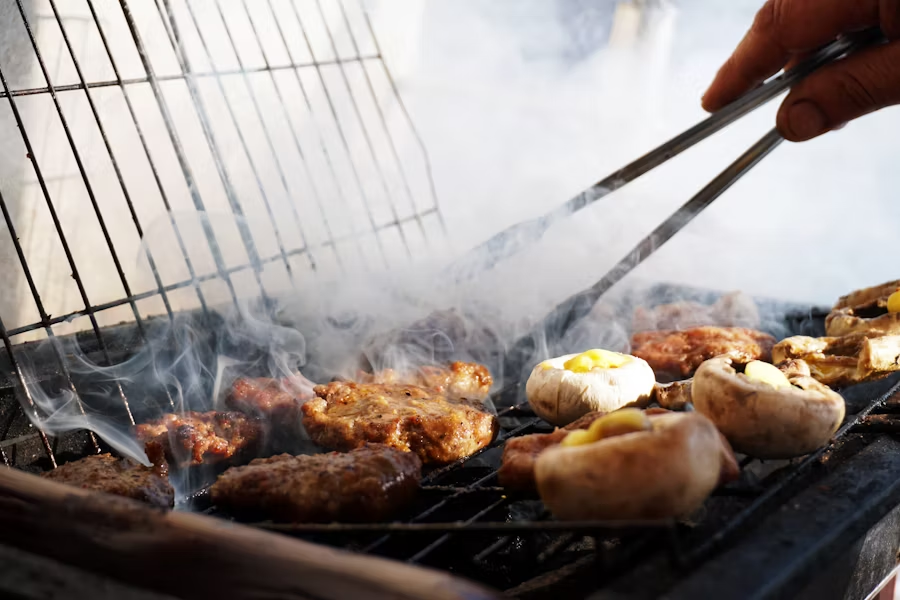
When companies operate their own cafeterias, they enjoy complete control over menu design, ingredient sourcing, preparation methods, and portion sizes. This flexibility allows them to align meals with corporate health and wellness programs, cultural themes, or employee feedback. Seasonal menus, theme days, and custom nutritional programs can be implemented swiftly without third-party coordination. For larger organizations, this high level of control can lead to a consistently strong culinary brand that reflects company values.
However, in-house operations are only as good as the talent and resources supporting them. Without experienced chefs, dieticians, and operations managers, the menu may stagnate, quality could decline, and the kitchen may fall behind evolving food trends. Staff turnover or supply chain disruptions can also negatively impact food service reliability.
Outsourced corporate catering, meanwhile, brings in foodservice professionals with access to diverse culinary expertise, global cuisines, and scalable food production capabilities. Leading caterers in 2025 offer gourmet-level meal options, specialized dietary accommodation (including vegan, gluten-free, Halal, or low-carb), and innovative packaging. Menus often rotate weekly and include a wider variety of options than a typical in-house kitchen might be able to produce. The downside is less direct influence over ingredient choices and cooking styles. Customization is limited to what the caterer can support logistically and financially.
Workplace Culture and Employee Engagement
Cafeterias often serve as central gathering spaces that enhance community, collaboration, and spontaneous interaction among employees. When designed with comfort and openness in mind, these spaces can foster informal conversations, boost team cohesion, and serve as de facto venues for meetings or casual brainstorming sessions. The cultural value of a well-run cafeteria extends beyond nutrition; it becomes a physical symbol of the company’s investment in employee happiness and belonging.
An outsourced catering model may not inherently provide a physical space or the same communal feel. Meals are often distributed in individual packages and consumed at desks or smaller pantry areas, particularly in hybrid or hot-desking environments. While this format suits flexibility and health-conscious employees who prefer quick, no-fuss lunches, it lacks the ambient richness of a dedicated cafeteria. However, some caterers now offer integrated solutions that include onsite delivery stations, pop-up counters, or scheduled communal dining hours to recreate some of that social atmosphere.
Risk Management and Regulatory Compliance
Running an in-house cafeteria also places the full burden of regulatory compliance on the employer. This includes food safety certifications, occupational health standards, employee hygiene protocols, waste disposal guidelines, and even allergy management. Any failure in these areas can lead to legal repercussions, brand damage, or employee dissatisfaction. Moreover, in-house teams must stay updated on evolving local and international food safety regulations, which can be resource-intensive.
Outsourcing shifts this responsibility to the caterer, who is required to maintain certifications, quality control, and legal compliance. Reputable catering companies have dedicated compliance teams and standard operating procedures to manage these risks. While companies are not entirely exempt from oversight—particularly when meals are served on premises—they benefit from reduced exposure and access to experienced food safety professionals.
Sustainability and Environmental Impact
Sustainability is no longer a corporate afterthought—it is a strategic priority. In-house cafeterias that use bulk cooking methods and minimize packaging can have a lower environmental footprint, especially if paired with reusable utensils, energy-efficient kitchen equipment, and on-site composting programs. However, this requires sustained effort, investment, and employee participation.
Outsourced catering services are making strides in sustainable practices as well. In 2025, many providers use compostable packaging, operate green-certified kitchens, and optimize delivery routes to reduce emissions. They often have access to broader sustainability programs and vendor networks that allow them to source responsibly and report on environmental metrics. While the volume of packaging remains a concern in pre-portioned meal services, advanced caterers are investing in reusable container programs and carbon-neutral delivery to offset their footprint.
Making the Right Decision
Deciding between an in-house cafeteria and outsourced catering isn’t about choosing the superior model universally—it’s about identifying what aligns best with your company’s scale, structure, and strategy. For large companies with the budget, headcount stability, and infrastructure to support in-house operations, a cafeteria offers brand cohesion, customization, and cultural depth. For agile organizations, rapidly scaling startups, or firms with hybrid workforces, outsourced catering provides flexibility, cost transparency, and culinary innovation without the operational overhead.
Some businesses opt for a hybrid model: a small in-house kitchen supported by rotating external vendors, or a regular outsourced service supplemented with occasional on-site food events. The optimal approach is one that considers not only the financial bottom line but also the employee experience, company culture, and long-term vision for workforce wellbeing.


Subscribe to learn more about AI
By clicking “Subscribe” you agree to Semrush Privacy Policy and consent to Semrush using your contact data for newsletter purposes