Singapore’s global identity is deeply intertwined with its multicultural roots. From early days as a British trading post to its rise as an independent city-state, Singapore has been shaped by the convergence of different ethnic communities. This confluence of cultures is most palpable in neighborhoods like Chinatown and Kampong Glam, where the rhythms of daily life continue to echo the traditions of generations past. Exploring these historic districts offers more than a casual sightseeing experience—it provides a glimpse into the soul of a nation built on diversity and coexistence.
Chinatown – Where History and Heritage Intersect
Temples and Spiritual Heritage
Chinatown is far more than just a bustling commercial hub. Its foundation as an enclave for Chinese immigrants in the 19th century has left an enduring imprint on its architecture, spiritual life, and community spaces. One of the district’s most prominent landmarks is the Buddha Tooth Relic Temple, which dominates the South Bridge Road skyline with its intricate Tang Dynasty-inspired facade. Though relatively new—it was completed in 2007—the temple houses what is believed to be a relic of Buddha’s tooth, drawing both the faithful and the curious.

Inside, visitors can explore a multi-story complex featuring a museum of Buddhist art, sacred scriptures, and ceremonial objects. The rooftop garden offers a moment of serenity amid the urban clamor, complete with a prayer wheel encircled by lush orchids. This blend of the sacred and the scenic is emblematic of how Chinatown manages to honor the past while engaging modern sensibilities.
Just a few minutes’ walk away stands Sri Mariamman Temple, Singapore’s oldest Hindu temple. Founded in 1827, it was established by Naraina Pillai, a South Indian pioneer. Despite its location in the heart of Chinatown, it has long served the Tamil Hindu community and remains a focal point during major religious festivals such as Deepavali and Thaipusam. Its gopuram, or entrance tower, is a riot of color and iconography, covered in vivid depictions of deities, animals, and celestial beings. The temple’s presence testifies to the multicultural fluidity that defines Singapore’s social fabric.
Another cultural gem in the area is Thian Hock Keng Temple, which dates back to 1842 and was built without the use of nails—a remarkable feat of Chinese craftsmanship. Dedicated to Mazu, the sea goddess revered by seafaring communities, the temple is a tribute to the Hokkien immigrants who sought divine protection during their voyage to Singapore. Rich in symbolic carvings and lacquered woodwork, it offers a quieter, more introspective experience compared to the busier attractions nearby.
Living Culture and Urban Expression
Beyond its temples, Chinatown is a thriving cultural landscape filled with living history. The Chinatown Heritage Centre on Pagoda Street provides a comprehensive, immersive experience that recreates the cramped living quarters of early immigrants. It’s one of the few places where visitors can viscerally understand the hardships faced by coolies and samsui women who built much of Singapore’s early infrastructure. Each exhibit is layered with personal stories, archival footage, and re-created scenes that lend emotional weight to the historical narrative.
Art is also a prominent feature of Chinatown. Street murals, such as those by local artist Yip Yew Chong, adorn the sides of traditional shophouses. These works depict everyday life from the 1950s and ’60s—families dining together, roadside barbers, or schoolchildren running through alleyways. The murals turn the district into an open-air museum, accessible to everyone and constantly alive with interpretation.
Culinary Encounters with Tradition
No exploration of Chinatown is complete without indulging in its legendary street food. Maxwell Food Centre is the crown jewel of local hawker dining, famously home to Tian Tian Chicken Rice, which drew praise from the late Anthony Bourdain and even beat Gordon Ramsay in a cook-off. But beyond the hype, the centre is filled with equally worthy stalls offering char kway teow, Cantonese soups, popiah, and more.
Along the nearby Chinatown Street Market, vendors sell herbal teas, peanut pancakes, and dragon beard candy—a traditional Chinese confection that captivates both the eyes and palate. The market buzzes with life from morning to night, making it an essential stop for those wanting to combine culinary discovery with souvenir hunting. From handcrafted jewelry to medicinal herbs, the offerings reflect the rich tapestry of Chinese heritage.
Kampong Glam – Malay Royalty Meets Modern Creativity
Royal Grounds and Religious Legacy
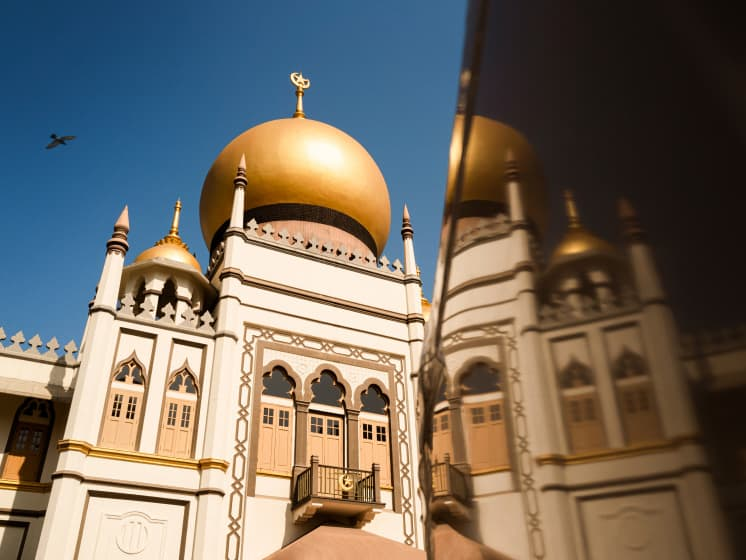
To truly understand Singapore’s Malay-Muslim heritage, one must walk the streets of Kampong Glam. Once the seat of Malay royalty, this neighborhood centers around the regal Sultan Mosque, whose golden dome and arched windows lend it an unmistakable silhouette. Built in 1824, the mosque was commissioned by Sultan Hussein Shah of Johor and remains a vital spiritual hub. Inside, a vast prayer hall can accommodate up to 5,000 worshippers. Visitors are welcome during non-prayer hours and are offered respectful attire if needed, allowing them to explore the building’s exquisite interior and stained-glass accents.
Behind the mosque lies the Malay Heritage Centre, housed in the former Istana Kampong Glam. This palace-turned-museum narrates the story of the Malay community in Singapore through interactive exhibits, personal artifacts, and themed galleries. The centre not only highlights royal lineage but also sheds light on the lives of traders, artisans, and everyday residents who shaped the area over centuries. It serves as a poignant reminder that Singapore’s success has been built on the contributions of many cultural streams, each as vital as the next.
Artistic Lanes and Bohemian Charm
Kampong Glam isn’t just a neighborhood preserved in amber; it’s a dynamic, evolving space where tradition meets contemporary culture. Nowhere is this fusion more apparent than in Haji Lane, a narrow street lined with eclectic boutiques, vintage stores, and indie cafes. Once a dormitory route for Muslim pilgrims heading to Mecca, it has transformed into a lively corridor of expression. Murals and graffiti cover building walls, offering an Instagram-worthy backdrop and a showcase of local artistic talent.
Walking through Haji Lane, visitors might find a vintage record store adjacent to a Middle Eastern tea lounge or a barbershop next to a gallery. This layering of the old and the new creates a unique urban rhythm that pulses with creativity. Arab Street, which runs parallel, retains its traditional character with shops selling Persian rugs, colorful fabrics, and brass lanterns. The air is heavy with the scent of spices, oud perfume, and grilled meats, turning every stroll into a sensory experience.
Culinary Stories of a Diverse Past
As with Chinatown, the cultural narrative of Kampong Glam is best understood through its food. The area boasts an impressive variety of Middle Eastern, Malay, and North African cuisine. One can start the day with nasi lemak wrapped in banana leaf, enjoy Moroccan couscous for lunch, and close with Turkish baklava over cardamom tea. Restaurants here are often family-run, serving recipes passed down through generations. The synergy of ingredients and traditions illustrates how the neighborhood remains a crossroad of cultural influences.
Cafés offering modern interpretations of local flavors—such as gula melaka lattes or pandan chiffon cakes—also thrive here, attracting younger crowds and cementing Kampong Glam’s reputation as a cultural touchstone that speaks to both heritage and innovation.
A Unified Cultural Landscape
Together, Chinatown and Kampong Glam provide an immersive understanding of Singapore’s complex and harmonious cultural identity. Each district offers a distinct atmosphere—Chinatown rooted in Confucian order and family tradition, Kampong Glam infused with Islamic heritage and artistic vitality. Yet both celebrate the coexistence that defines Singapore.
These neighborhoods are more than tourist stops; they are dynamic ecosystems where the past and present meet in daily life. Exploring them with curiosity and respect allows visitors to see Singapore not just as a city of efficiency and innovation, but as a mosaic of voices, each contributing to a story far greater than the sum of its parts.


Subscribe to learn more about AI
By clicking “Subscribe” you agree to Semrush Privacy Policy and consent to Semrush using your contact data for newsletter purposes