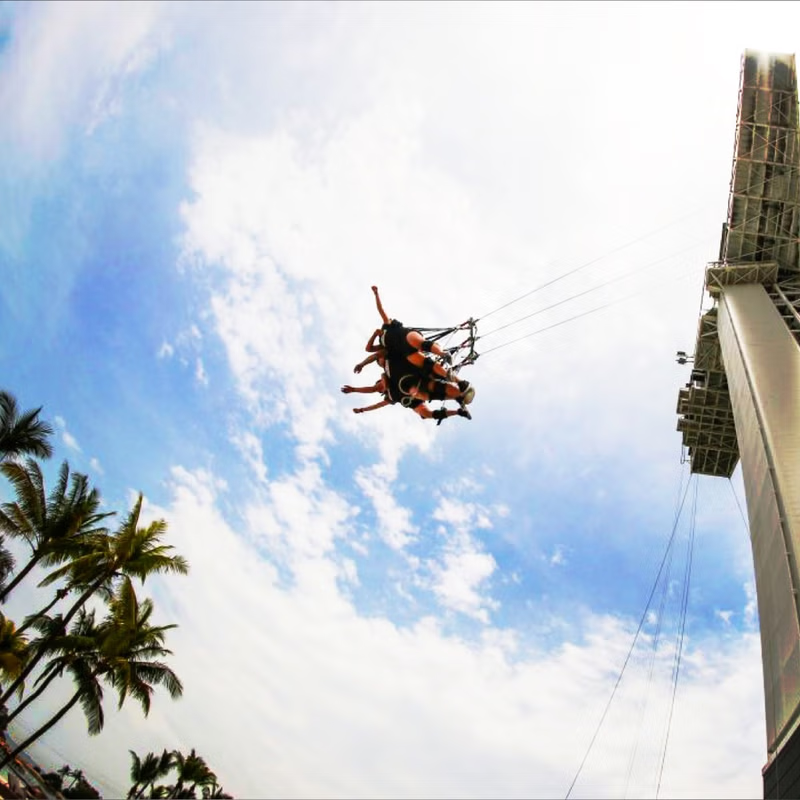
Singapore often tops travel lists with its dazzling skyline, futuristic attractions, and multicultural vibrancy. But while visitors typically flock to icons like Marina Bay Sands and Gardens by the Bay, the most rewarding way to understand the Lion City comes from embracing it the way locals do. Beyond the brochure-friendly hotspots lies a version of Singapore that reveals itself through everyday rituals, quiet corners, and deep-rooted traditions. For those who want to immerse themselves in the culture instead of merely skimming the surface, approaching the city with a local’s mindset opens up a richer, more nuanced experience.
This guide blends a tourist’s sense of discovery with the wisdom of everyday residents, offering insights into what it truly means to explore Singapore on its own terms.
Dining Like a Local at Hawker Centres
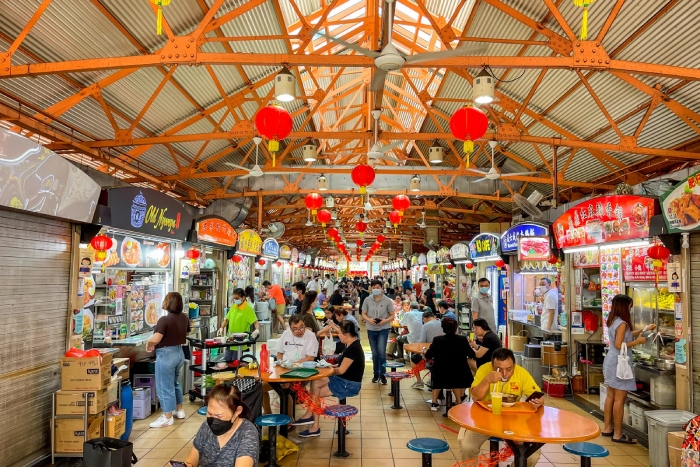
One of the clearest windows into Singaporean life is through its food, and no place showcases this better than the hawker centres scattered throughout the island. These vibrant food courts are more than places to eat—they are social hubs where people from all walks of life gather. While tourists may be drawn to polished food streets or upscale dining enclaves, locals know the heart of Singapore’s cuisine beats strongest in hawker stalls.
Maxwell Food Centre in Chinatown is a great introduction. Famous for its chicken rice, it also offers a wide array of dishes from various cultures, including Teochew porridge, nasi lemak, and thunder tea rice. Old Airport Road Food Centre, meanwhile, is a local favourite packed with generational stalls serving time-honoured recipes. Unlike fine-dining establishments, hawker centres offer meals that are quick, affordable, and brimming with heritage.
Meals here are typically communal. It’s normal to share dishes, reserve seats using a packet of tissues (a local custom), and clear your own tray after eating. Embracing these small habits goes a long way in blending into the local dining rhythm.
Navigating Like a Local on Public Transport
Locals rarely rely on taxis to get around. Instead, the Mass Rapid Transit (MRT) system and public buses offer fast, clean, and cost-effective travel. Using an EZ-Link card allows for smooth transfers between trains and buses, while mobile apps such as MyTransport.SG provide live updates on bus arrivals and train delays.
Beyond mere convenience, public transport offers a way to observe local life in motion. Schoolchildren in uniforms, office workers commuting to the CBD, and seniors heading to morning markets all converge on this shared network. Standing on the left side of escalators, avoiding eating or drinking on board, and offering seats to those in need are all part of the social code that keeps Singapore’s transport system so orderly.
Wandering Through Culturally Rich Neighbourhoods
Tourists often make a quick stop at Chinatown or Little India, but locals know these districts deserve more than a passing glance. Exploring on foot opens up a tapestry of textures—heritage architecture, centuries-old places of worship, and shops filled with spice, incense, and textiles.
Tiong Bahru, for instance, blends history with hip. Its low-rise Art Deco blocks are a holdover from 1930s public housing projects, but within them are tucked independent bookstores, quaint bakeries, and cafes serving kopi alongside avocado toast. Kampong Glam, originally a Malay-Muslim enclave, now balances heritage mosques with art galleries and Mediterranean eateries, offering a rare combination of reverence and reinvention.
Walking these streets without a strict agenda encourages spontaneous discoveries. Street murals, vintage shops, and alleyway shrines often lie just beyond the main drag.
Appreciating Local Etiquette and Customs
Understanding Singapore isn’t just about places—it’s also about people. Locals are known for being pragmatic, community-conscious, and proud of their city’s harmony. Engaging with them respectfully deepens your experience.
Small courtesies matter. Addressing older people as “Uncle” or “Aunty” is a sign of respect, not familiarity. Being punctual, speaking in measured tones, and returning your tray after eating are ways of showing social consideration. In wet markets or kopitiams, a casual “Can I join you?” when seats are scarce is common and welcome.
Learning a few phrases from Singlish—the local English-based creole—adds colour to interactions. Words like “lah,” “shiok,” and “chope” reveal how language has adapted to Singapore’s multicultural makeup.
Escaping Into Urban Green Spaces
Although known for its urban density, Singapore is also home to a network of green sanctuaries that locals retreat to for reflection and recreation. Unlike structured tourist gardens, these parks offer more personal, unscripted experiences.
The Southern Ridges, a trail connecting Mount Faber to Kent Ridge Park, features elevated walkways with panoramic city views. Locals use it for morning jogs, birdwatching, or simply to decompress after work. MacRitchie Reservoir Park offers boardwalks and forest trails that lead to a TreeTop Walk—a suspended bridge with views of the rainforest canopy.
Over on Pulau Ubin, a 10-minute bumboat ride transports you into a slower world. Rustic roads, wooden homes, and untouched mangroves recall a pre-modern Singapore. Rent a bicycle, bring a picnic, and spend the day exploring the island at your own pace.

Participating in Community and Cultural Events
Singapore’s calendar is filled with festivals, markets, and heritage celebrations, many of which remain under the radar. Joining these events offers opportunities to engage directly with local communities.
During Chinese New Year, residents gather at markets in Chinatown to buy mandarin oranges, decorative lanterns, and snacks. The lead-up to Deepavali sees Little India come alive with colourful arches, street bazaars, and nightly light-ups. At the Malay Heritage Centre during Hari Raya Aidilfitri, traditional performances and open houses welcome visitors of all backgrounds.
Community centers across Singapore host cooking classes, calligraphy workshops, and guided neighbourhood tours that introduce both locals and visitors to customs and crafts. Participating in these events adds texture to your stay and allows for real connection.
Supporting Local Shops and Artisan Boutiques
Orchard Road and Marina Bay are home to international labels, but for unique finds, head to local markets and independent stores. Haji Lane in Kampong Glam is a favourite for fashion-forward locals, filled with boutiques offering handmade accessories, vintage clothing, and limited-run items. In Tiong Bahru, bookstores like BooksActually and shops like Nana & Bird curate products from regional creators.
In Chinatown, traditional medicine halls and goldsmiths operate alongside heritage teahouses. In Joo Chiat, shops sell everything from handmade nyonya kueh to batik fabrics. Spending time (and money) at these businesses supports Singapore’s creative and cultural economy in meaningful ways.
Exploring the City Through the Lens of the Everyday
Part of seeing Singapore like a local involves slowing down and observing the everyday. Watch the morning bustle at a kopitiam where retirees debate news over kopi-o and kaya toast. Visit a void deck—an open space under public housing blocks—where wedding receptions, funeral wakes, and art shows take place side by side.
Take an evening walk through a housing estate and you’ll see school kids playing soccer, food delivery cyclists weaving through blocks, and families gathering around portable grills. These moments are unscripted, authentic, and deeply Singaporean.
Final Reflections
Experiencing Singapore like a local doesn’t require avoiding the attractions that draw millions each year. Instead, it means balancing those highlights with deeper encounters—eating where locals eat, walking where they walk, and understanding how they live. By embracing public rituals, respecting customs, and allowing time for quiet exploration, visitors move beyond sightseeing into something more fulfilling.
The city’s beauty isn’t just in its architecture or cuisine. It’s in the stories, values, and rhythms of daily life that often go unnoticed. For those who take the time to engage, Singapore offers not just a holiday, but a richer, more resonant journey.


Subscribe to learn more about AI
By clicking “Subscribe” you agree to Semrush Privacy Policy and consent to Semrush using your contact data for newsletter purposes