Live Like a Local: Attractions Off the Beaten Path in Singapore
Singapore’s most photographed attractions, from the sky gardens of Marina Bay Sands to the digital bloom of Gardens by the Bay, are undoubtedly impressive. Yet what gives the city its true character lies beyond these landmarks—in places that don’t always make the cover of travel brochures. These are the spots where residents spend their weekends, where culture is preserved through lived experience, and where nature still carves out a quiet corner in the metropolis. Exploring Singapore off the beaten path reveals a different kind of magic, one that speaks less through spectacle and more through authenticity.
Kampong Lorong Buangkok
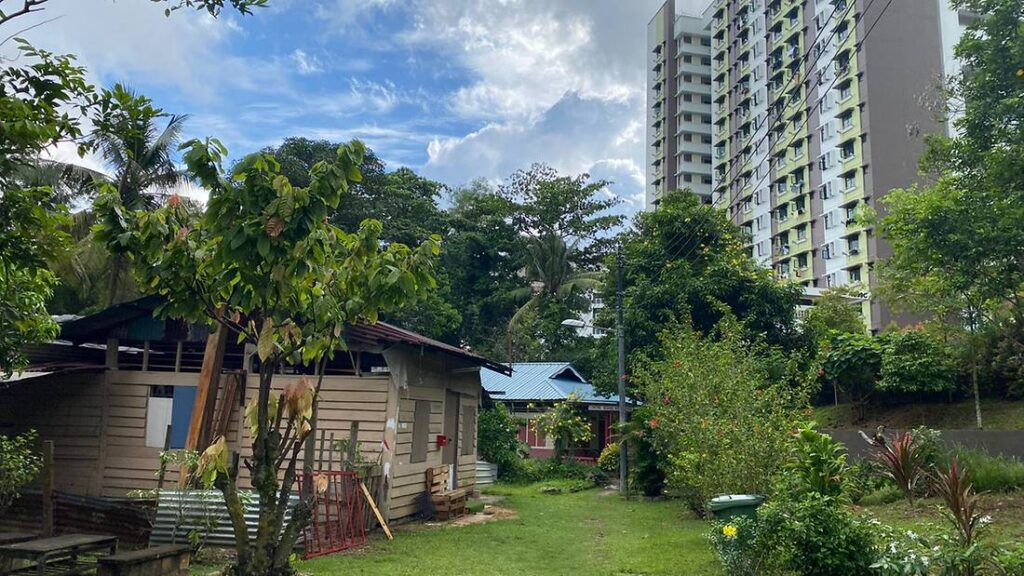
This unassuming village tucked within the city’s northeast is the last surviving kampong on the Singapore mainland. Amid the constant churn of urban development, Kampong Lorong Buangkok endures as a reminder of simpler times. Walking through its grassy paths, you’ll find traditional wooden homes with zinc roofs, potted plants lining porches, and handwritten signs guiding you through the area. It’s quiet, not because there’s nothing happening, but because life here unfolds at its own pace.
Residents tend to their gardens, chat over fences, and carry on daily rituals that would have been familiar half a century ago. There are no souvenir stalls or guided tours—just an open community that welcomes respectful visitors. It’s a living contrast to the skyscraper-filled skyline visible in the distance. This juxtaposition makes Kampong Lorong Buangkok not just a historical curiosity, but a meaningful counterpoint to Singapore’s rapid modernization.
Sungei Buloh Wetland Reserve
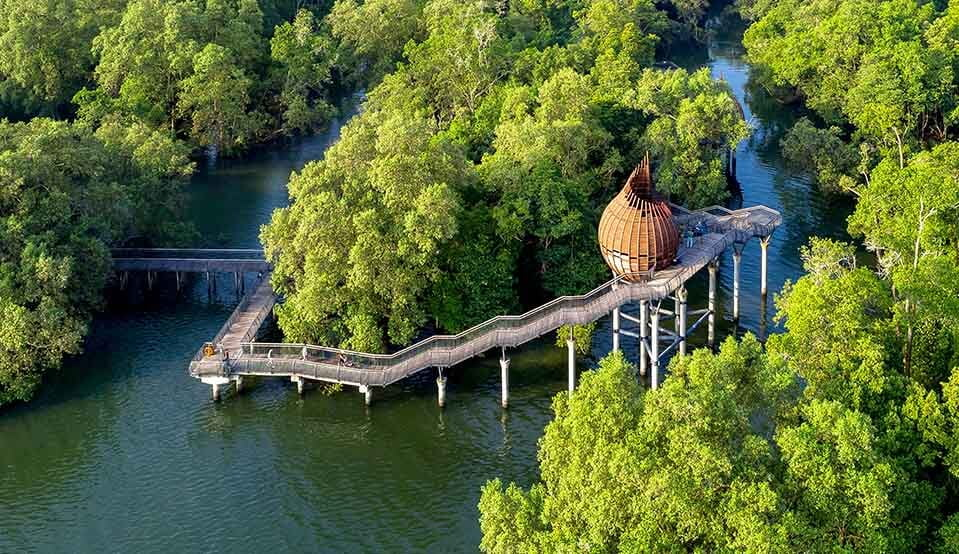
Tucked in the far reaches of the northwestern coast, Sungei Buloh Wetland Reserve is a haven for nature lovers and one of Singapore’s most biodiverse spaces. Unlike manicured urban parks, this reserve preserves its mangrove swamps and wetlands in a way that supports native and migratory wildlife. Visitors can spot everything from monitor lizards and mudskippers to kingfishers and, if they’re lucky, estuarine crocodiles.
The reserve features a network of boardwalks, observation decks, and bird hides that allow visitors to explore without disturbing the fragile ecosystem. During the migratory bird season, avid birdwatchers line the paths with binoculars, hoping to catch a glimpse of rare species making their annual stopover. But even in the off-season, the tranquil atmosphere and natural soundtrack of rustling leaves and water lapping at the roots offer a stark, refreshing contrast to the constant buzz of the city.
The Southern Islands
While Sentosa attracts the bulk of attention with its theme parks and beach clubs, Singapore’s lesser-known Southern Islands offer a quieter escape. St. John’s, Lazarus, and Kusu Islands are all accessible by ferry from Marina South Pier, yet they feel miles removed from the city’s tempo. These islands aren’t about attractions—they’re about space, silence, and slowness.
St. John’s Island has shaded paths and plenty of open areas for picnics or strolls. Lazarus Island, connected by a causeway to St. John’s, boasts one of Singapore’s most beautiful and secluded beaches. Its crescent-shaped white sand stretch remains largely untouched, perfect for a lazy afternoon or a serene swim. Kusu Island brings a cultural angle with its Chinese temple and Malay shrines, where visitors leave offerings and prayers. These islands don’t promise thrills—they offer retreat and reflection.
Haw Par Villa
No list of offbeat Singapore attractions is complete without a mention of Haw Par Villa. This outdoor sculpture park is one of the city’s most unusual experiences, filled with over a thousand statues and dioramas depicting scenes from Chinese folklore, mythology, and religious parables. Originally built in the 1930s by the creators of Tiger Balm, it was designed to teach moral values through visual storytelling.
The Ten Courts of Hell exhibit remains its most famous—and infamous—attraction, vividly portraying traditional punishments for sins in the afterlife. For those unfamiliar with the tales, it can be both shocking and fascinating. Yet beyond the vivid scenes lies a deep cultural archive, rich with symbolism and historical context. For locals, it’s a nostalgic landmark; for visitors, it’s a rare lens into the cultural psyche of Singapore’s Chinese heritage.
Joo Chiat and Katong
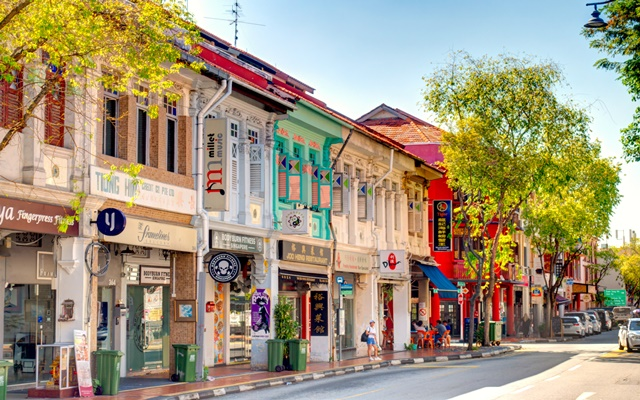
Joo Chiat and neighboring Katong are neighborhoods steeped in heritage and beloved by residents for their vibrant, evolving identity. Their most iconic feature—the pastel-colored Peranakan shophouses with ornate facades and patterned tiles—draws photographers and architecture buffs alike. But these districts are more than aesthetic showcases.
Here, you’ll find a culinary landscape that speaks to generations of blended culture. Peranakan dishes like laksa, kueh pie tee, and ayam buah keluak can be found in small eateries tucked between retro barbershops and modern cafés. Independent bookstores, local fashion boutiques, and vintage shops line the streets, giving the neighborhood a dynamic blend of old and new. On weekends, families gather for brunch, and cycling groups pass through on their way to East Coast Park. It’s a neighborhood where culture is preserved not through monuments, but through everyday life.
Bukit Timah Nature Reserve
Singapore’s highest natural point sits within Bukit Timah Nature Reserve, a lush, forested area that houses one of the few remaining tracts of primary rainforest on the island. It’s a favorite among local hikers and fitness enthusiasts who use the reserve’s trails for weekend workouts. But beyond the exercise value, Bukit Timah offers a deep dive into the island’s original ecological state.
The trails weave through thick canopy, and visitors can encounter a surprising diversity of flora and fauna along the way. Long-tailed macaques, squirrels, and even flying lemurs make occasional appearances. Educational signboards along the path offer insight into native plants and the forest’s conservation story. For many locals, Bukit Timah is a place to reconnect with nature—one that’s less about curated garden experiences and more about feeling enveloped by green.
Telok Ayer Street
Once a coastal road bustling with trade and immigrant activity, Telok Ayer Street is now a preserved stretch of historical significance and multicultural symbolism. The street is home to religious landmarks like Thian Hock Keng Temple, Al-Abrar Mosque, and the Nagore Dargah Indian Muslim Heritage Centre—all standing as testaments to the religious diversity that shaped Singapore’s early development.
Today, the heritage buildings house a mix of modern businesses: artisanal coffee shops, co-working spaces, design studios, and wellness centers. But the reverence for the past remains visible in preserved architecture, conservation plaques, and the street’s unmistakable ambiance. Locals come here for lunch meetings, quiet tea breaks, or spiritual reflection. It’s a place where old and new continue to coexist—something that defines much of Singapore’s evolution.
Kranji Countryside
Far from the city center’s gloss, Kranji Countryside introduces visitors to Singapore’s quiet agrarian heritage. Here, sprawling farms grow vegetables, rear goats, and produce herbs that make their way into local markets and restaurants. Hay Dairies, a goat farm in the area, offers insights into animal farming, while Bollywood Veggies combines agriculture with education, offering farm tours and a rustic bistro that serves fresh, locally grown meals.
Families visit on weekends to escape the concrete jungle, and children learn about food production beyond supermarket shelves. While Singapore is often viewed as a city without space for farming, Kranji proves otherwise. It reflects a sustainable spirit and a desire to stay connected to the land, even in the face of urban dominance.
The Southern Ridges
Linking several parks through a 10-kilometer network of trails and elevated walkways, the Southern Ridges offer panoramic views, forest immersion, and architectural intrigue. The trail connects Mount Faber Park, Telok Blangah Hill Park, HortPark, and Kent Ridge Park. Its most iconic feature, the Henderson Waves bridge, undulates through the sky like a wooden ribbon, offering dramatic views of the skyline and the sea.
Locals walk the Southern Ridges for both exercise and serenity. Sunrise jogs, sunset strolls, and nature photography are common pursuits. The experience is both natural and designed—Singapore’s specialty—and it allows for a reintroduction to greenery that doesn’t require leaving the city entirely.


Subscribe to learn more about AI
By clicking “Subscribe” you agree to Semrush Privacy Policy and consent to Semrush using your contact data for newsletter purposes