Singapore’s global image is often tied to its glittering skyline, sleek transport systems, and iconic attractions like Marina Bay Sands, Gardens by the Bay, and Sentosa Island. However, behind the polished surface lies a different version of the city—one that locals hold close and seasoned travelers treasure. These lesser-known places are woven into the everyday experiences of those who call the city-state home. From heritage enclaves to tranquil green escapes, these underappreciated locations offer unique perspectives that elude the tourist itinerary.
Unearthing these hidden gems not only enriches your understanding of Singapore but also allows for moments of unexpected wonder, where history, culture, and nature intersect in quiet, beautiful ways. Whether you’re a first-time visitor looking to see beyond the postcard landmarks or a local seeking something new, these under-the-radar spots reveal the city’s subtle charm.
Koon Seng Road: A Colourful Slice of Peranakan Heritage
Tucked away in the Joo Chiat area, Koon Seng Road is one of the most photogenic streets in Singapore—but far fewer visitors walk its pastel-hued path compared to the crowds at Orchard Road or Marina Bay. This charming stretch is lined with restored Peranakan shophouses, their façades adorned with ornate tiles, floral motifs, and detailed woodwork. These homes reflect the unique fusion of Chinese and Malay cultures that define Peranakan identity.
Beyond their Instagram-worthy appeal, these buildings tell a deeper story about the evolution of Singapore’s urban fabric and multiculturalism. Locals appreciate this enclave not just for its beauty, but for the sense of continuity it offers in a rapidly changing cityscape.
Japanese Cemetery Park: Serenity in Hougang
While cemeteries are not typically on a visitor’s list, the Japanese Cemetery Park in Hougang offers tranquility and historical depth rarely found elsewhere in the city. As the largest Japanese cemetery in Southeast Asia, the park commemorates Japanese civilians and soldiers who once lived in Singapore.
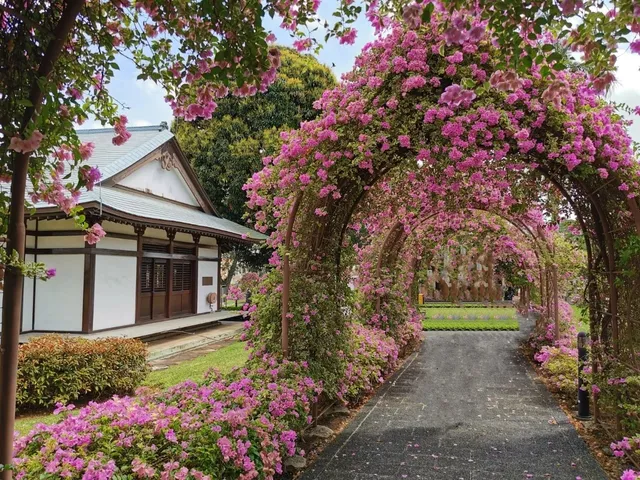
Graced with traditional torii gates, cherry blossom trees, and moss-covered gravestones, the site feels worlds away from the modern city. The quiet paths, coupled with the architectural elements of Shinto and Buddhist design, make it a reflective spot for those seeking calm. It also offers insight into a lesser-known community that played a role in Singapore’s past.
Bukit Batok Town Park: Singapore’s Little Guilin
Many locals refer to Bukit Batok Town Park as “Little Guilin” because of its striking resemblance to the limestone karst formations in Guilin, China. Created from an abandoned granite quarry, this serene park features a still lake framed by steep rock cliffs, offering a natural spectacle that’s both scenic and surreal.
Unlike more famous parks that attract weekend crowds, Bukit Batok Town Park remains a relatively peaceful retreat. It’s a favorite for photography enthusiasts, couples seeking quiet walks, and residents who value green space away from the city’s bustle. It’s also one of the few places where you can experience dramatic natural scenery without leaving the city limits.
Gillman Barracks: Art Amid Colonial Architecture
Singapore’s commitment to art is usually associated with the National Gallery or Esplanade, but Gillman Barracks presents a more grassroots alternative. Once a British military base, the site has been repurposed into a cluster of contemporary art galleries, creative studios, and cultural initiatives.
Set among lush greenery, the colonial-era buildings now house works from both local and international artists. The galleries often rotate their exhibitions, and public programs such as talks, workshops, and art walks are regular fixtures. It’s an ideal destination for those seeking intellectual engagement and a dose of creative energy away from the more commercial art scenes.
Pulau Ubin: A Step Back in Time
Just a 10-minute boat ride from Changi Point, Pulau Ubin offers a throwback to Singapore’s rural past. The island is one of the last places where visitors can experience a kampong lifestyle—complete with wooden houses, wild boar sightings, and unpaved roads.
The best way to explore is by renting a bicycle and traversing the trails that wind through mangroves, quarries, and coastal forests. The Chek Jawa wetlands are a highlight, showcasing six distinct ecosystems within a single area. Locals cherish Pulau Ubin for its simplicity and raw beauty, a rare reminder of the Singapore that existed before rapid urbanisation.
Southern Ridges: Elevated Walkways and Forest Canopies
The Southern Ridges is not entirely unknown, but it remains underappreciated compared to more central parks. This 10-kilometer network of trails connects Mount Faber Park, Telok Blangah Hill Park, HortPark, and Kent Ridge Park. The standout feature is the Henderson Waves bridge, a wooden, wave-shaped structure that offers panoramic views of the city and beyond.
More than just a walking path, the Southern Ridges invites visitors into secondary rainforests, floral gardens, and wildlife habitats. Birdwatchers often frequent the area for its rich biodiversity, while joggers and photographers enjoy the peaceful yet dynamic setting. It’s a prime example of urban-nature integration done right.
Katong: Where Culture Meets Cuisine
In the East Coast region, Katong represents a fusion of heritage, architecture, and food. Once a stronghold of the Peranakan community, the neighborhood still retains its cultural depth through carefully preserved shophouses and traditional eateries.
It’s not just about aesthetic appeal—Katong is synonymous with iconic dishes like Katong Laksa, a spicy noodle soup that locals swear by. Walking through the area is a sensory experience: incense wafts from neighborhood temples, fabrics spill out of shopfronts, and hawker stalls offer everything from curry puffs to kueh lapis. Despite modern renovations, Katong remains a place where the past mingles easily with the present.
Kampong Lorong Buangkok: The Last Standing Village
In a city known for skyscrapers and housing estates, Kampong Lorong Buangkok feels almost mythical. As Singapore’s last surviving village on the mainland, it offers a rare glimpse into a bygone way of life. Wooden houses sit on stilts, gardens are still hand-tended, and residents live without the strict boundaries of modern condo living.
Visitors are welcomed with a sense of trust and community, though it’s important to remain respectful—this is still a lived-in neighborhood. For locals, this kampong represents more than nostalgia. It’s a living archive, quietly resisting the pressures of progress while reminding people of the values of simplicity and neighborliness.
The Green Corridor: A Linear Escape
Previously part of a railway line stretching from Malaysia to Singapore, the Green Corridor—or Rail Corridor—is now a verdant trail that cuts through the city from north to south. Over 24 kilometers of greenery have been preserved and repurposed into a walking and cycling path.
What makes the Green Corridor unique is its ability to traverse various urban and natural landscapes seamlessly. Old railway bridges and stations remain as historical markers, while dense foliage and birdsong accompany you throughout the journey. Locals turn to this trail not just for recreation, but for quiet introspection and an alternative commute through nature.
Change Alley: Commerce with a Story
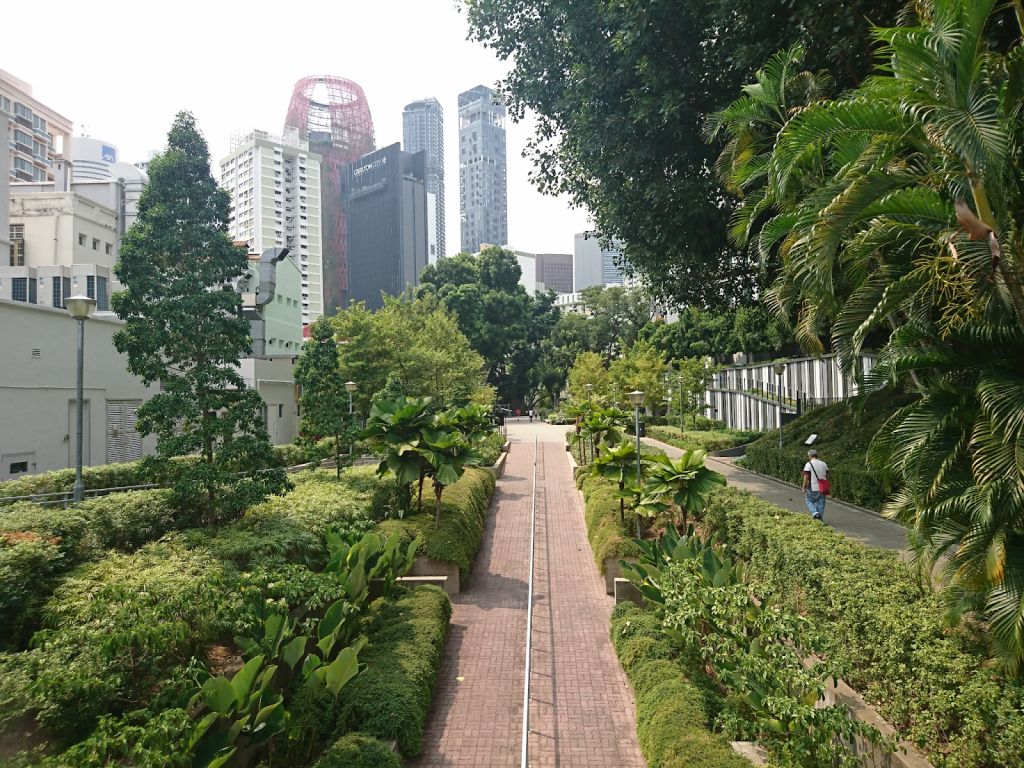
Nestled in the heart of the Central Business District, Change Alley today looks like a modern shopping arcade. Yet its origins date back to the early 20th century when it was a bustling marketplace for currency traders, seafarers, and local merchants. The original alley, now replaced by air-conditioned corridors and glass storefronts, was once a lively bazaar full of character and conversation.
Though it has evolved with the city, the spirit of Change Alley endures in its role as a connector between commerce and culture. It represents how Singapore’s trading heritage still thrives—only now in sleeker packaging.
Final Thoughts
Hidden gems in Singapore are not hidden by accident—they are spaces that exist quietly, away from mass tourism and promotional fanfare. What makes them special is not only their uniqueness but the way they are embedded in everyday life. Locals gravitate toward these places not because they are the loudest or the most glamorous, but because they feel real, layered, and grounded in history, community, or nature.
To explore these underrated attractions is to see a side of Singapore that’s often missed but deeply rewarding. They offer stories waiting to be uncovered, flavors to be savored, and views that invite pause. Whether it’s your first visit or your fiftieth, these spaces prove that the Lion City still has surprises in store.


Subscribe to learn more about AI
By clicking “Subscribe” you agree to Semrush Privacy Policy and consent to Semrush using your contact data for newsletter purposes