Singapore’s image is often defined by its glistening skyscrapers, luxury shopping districts, and efficient transport networks. Yet, hidden within its thoroughly modern cityscape is a rich and complex historical tapestry. This island nation has seen the rise and fall of empires, endured wartime occupation, and transformed from a colonial outpost into a thriving metropolis. For those with a day to spare and a curiosity for the past, Singapore offers an abundance of historical landmarks that are not only accessible but deeply enriching.
While a full exploration of the country’s history could take weeks, it’s entirely possible to experience a meaningful journey through its most iconic sites within a single day. The following destinations have been selected for their historical significance, accessibility, and immersive experiences. Each one contributes a chapter to Singapore’s multifaceted narrative, providing visitors with a deeper understanding of the nation’s heritage and identity.
Fort Canning Park
Perched atop a modest hill in the city’s central region, Fort Canning Park is more than just a green escape. It is one of the most historically rich sites in Singapore, layered with significance that dates back over 700 years. Once known as Bukit Larangan or “Forbidden Hill,” it was considered sacred by early Malay rulers. It later served as a key military location during British colonial rule, with fortifications, barracks, and command centers constructed on its slopes.
Visitors today can explore remnants of these different eras, from the Battlebox, an underground command center used during World War II, to 14th-century archaeological excavations that hint at the hill’s royal past. The Spice Garden within the park pays tribute to Singapore’s early experiments with cash crop cultivation, while the Gothic Gates and colonial cannons serve as reminders of its strategic importance. Thanks to its central location and comprehensive signage, Fort Canning Park is a compelling starting point for any historical exploration.

The National Museum of Singapore
Just a short walk from Fort Canning brings you to the National Museum of Singapore, housed in a grand neoclassical building that dates back to 1887. As the nation’s oldest museum, it serves as a cultural cornerstone, chronicling Singapore’s development from ancient settlement to modern statehood. Permanent exhibitions include detailed displays on colonial trade, the Japanese occupation, the road to independence, and modern nation-building.
What sets this museum apart is its use of immersive storytelling techniques. Multimedia galleries and interactive installations provide context beyond mere dates and events, making history accessible and emotionally resonant. Whether it’s listening to personal wartime accounts or viewing artifacts from pivotal moments in the nation’s timeline, the museum provides both depth and perspective, making it an essential stop for anyone looking to grasp Singapore’s evolution.
Chinatown Heritage Centre
Moving from the grand to the intimate, the Chinatown Heritage Centre offers a personal look at the lives of early Chinese immigrants. Located within restored shophouses on Pagoda Street, the center meticulously recreates living quarters, communal kitchens, and workplaces from the early 20th century. The authenticity of the recreated spaces—dim lighting, wooden bunk beds, old sewing machines—offers visitors a sensory-rich experience that books alone cannot replicate.
Through oral histories and historical records, the center sheds light on the challenges faced by new arrivals: cramped living conditions, tough labor, and the pursuit of a better life. Chinatown itself remains a vibrant district, with temples, markets, and eateries that reflect its cultural continuity. After visiting the heritage center, a walk through the surrounding streets deepens the experience, linking past and present in one seamless narrative.
Little India and the Indian Heritage Centre
From Chinatown, a short MRT ride transports you into the vibrant enclave of Little India, where the Indian Heritage Centre adds yet another layer to Singapore’s multicultural history. This modern museum, architecturally inspired by traditional Indian baoli (stepwells), highlights the contributions of the Indian community in Singapore and Southeast Asia.
Inside, visitors encounter exhibits detailing early migration, community formation, and cultural preservation. Ancient trade routes, colonial-era labor recruitment, and the rise of Indian political and religious institutions in Singapore are all addressed. Beyond the museum, Little India is alive with activity—flower garland vendors, spice shops, and Hindu temples make the streets themselves a living museum. Exploring the district on foot complements the center’s educational exhibits, offering cultural immersion alongside historical insight.

Kampong Glam and the Malay Heritage Centre
Another cornerstone of Singapore’s ethnic mosaic is the Malay-Muslim community, best explored in Kampong Glam. At the center of this historic district stands the Malay Heritage Centre, formerly the royal palace of Sultan Hussein Shah. The center’s exhibitions explore topics ranging from Malay maritime traditions and craftsmanship to the political evolution of the Malay-Muslim leadership in Singapore.
Just next door, the Sultan Mosque’s golden domes and intricate arches dominate the skyline, drawing worshippers and tourists alike. The mosque’s position as both a religious and cultural hub speaks to the enduring importance of Kampong Glam as a spiritual and social nucleus. The surrounding streets, with their blend of Middle Eastern restaurants, textile shops, and modern cafes, offer a walkable and engaging environment where history feels very much alive.
Raffles Hotel
A short distance away, near the bustling civic district, stands Raffles Hotel—a symbol of colonial-era grandeur and a witness to some of Singapore’s most illustrious moments. Opened in 1887, this colonial hotel has hosted figures from Rudyard Kipling to Elizabeth Taylor. The building itself, with its whitewashed façade and verdant courtyards, retains much of its historic charm.
While the luxury suites may be reserved for high-paying guests, the public areas, including the lobby and the Long Bar, are open to visitors. Sampling a Singapore Sling at its birthplace provides a light-hearted yet meaningful way to engage with the city’s colonial legacy.
Lau Pa Sat
Food has always played a role in cultural identity, and Lau Pa Sat—also known as Telok Ayer Market—offers a unique confluence of history and cuisine. Built in the 19th century and later restored, the market features cast-iron supports imported from Glasgow and a distinctive octagonal structure that sets it apart from other hawker centres.
Once a bustling wet market, Lau Pa Sat today hosts food vendors serving Singapore’s most beloved dishes. Sitting here to enjoy a meal offers a sense of continuity with the generations who have passed through its gates in search of daily sustenance.
Civilian War Memorial
In stark contrast to the lively marketplaces is the solemn Civilian War Memorial, located in the city center. Comprising four towering pillars, the monument honors the thousands of civilians who lost their lives during the Japanese occupation of World War II. Each pillar represents one of Singapore’s main ethnic groups—Chinese, Malay, Indian, and Eurasian—symbolising national unity in the face of shared tragedy.
The surrounding park offers a peaceful space for reflection, and educational plaques provide context for younger visitors or those unfamiliar with this dark chapter in the country’s history.
Fort Siloso
While many of Singapore’s historical sites are located on the main island, Fort Siloso on Sentosa Island is well worth the short detour. Built as a coastal defense fort in the late 1800s, it played a strategic role during World War II. Today, it has been preserved as a military museum with interactive exhibits, restored bunkers, and original artillery installations.
The Surrender Chambers, in particular, offer a vivid reenactment of the British surrender to Japanese forces. It’s a sobering yet educational experience that ties together many of the themes encountered earlier in the day—from colonisation to wartime resilience.
The Former Ford Factory
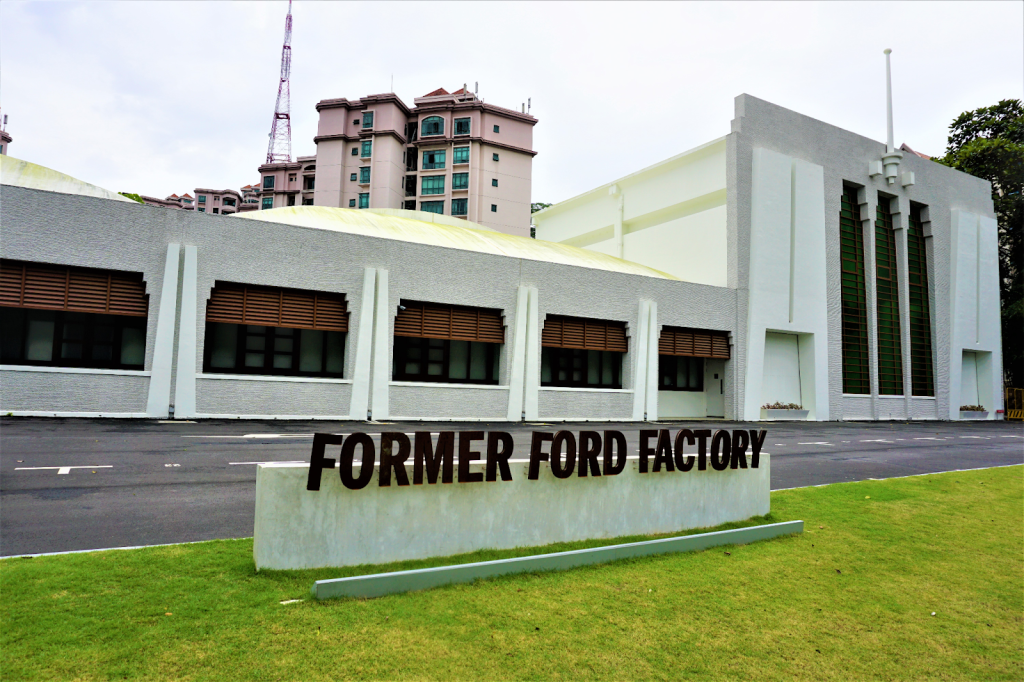
To conclude the historical day tour, the Former Ford Factory in Bukit Timah presents a final, reflective stop. It was here, in 1942, that British forces signed the surrender documents that handed Singapore over to the Japanese. Now converted into a museum, the site details the events leading up to the occupation, life during the war, and the long road to recovery.
Personal testimonies, wartime photographs, and recovered artifacts help humanise the historical narrative. The museum encourages contemplation, making it a fitting location to end a day of exploration.
Final Reflections
Singapore’s historical landmarks are not relics frozen in time—they are active participants in the nation’s ongoing story. From royal palaces and war bunkers to bustling ethnic enclaves and solemn memorials, these sites offer more than just lessons in history; they provide opportunities for empathy, understanding, and connection. Spending just one day among them brings the past into sharp focus and enriches your appreciation for the resilience, diversity, and ambition that shape Singapore today.


Subscribe to learn more about AI
By clicking “Subscribe” you agree to Semrush Privacy Policy and consent to Semrush using your contact data for newsletter purposes