In the world of corporate event planning, food plays a role that extends far beyond satisfying hunger. It reflects company culture, sets the mood, and directly affects how your colleagues and guests remember the event. Selecting the right catering menu is one of the most critical decisions a planner can make. It must account for logistics, diverse preferences, dietary requirements, budget constraints, and the tone of the event.
Choosing a catering menu for an office event should not be a rushed decision. A thoughtful, well-planned selection creates a seamless experience for guests and reinforces the professionalism and hospitality of your organization. Whether you’re planning a working lunch, a team celebration, or an annual corporate gala, here’s how to ensure your catering hits the mark.
Define the Purpose of Your Office Event
Before reaching out to caterers or browsing menus, begin by clearly identifying the purpose of the event. This will inform every aspect of your catering plan.
For example, a formal business meeting where executives will be discussing strategy calls for a more polished menu—think plated meals or elegant bento boxes with minimal mess and maximum convenience. A relaxed team-building day or appreciation lunch allows for a more casual and fun menu such as BBQ platters, international buffets, or interactive food stations.
Understanding the event’s goal helps you determine whether food should be the focus of the gathering or simply a supporting element. In events where networking is the main activity, finger foods and canapés that allow guests to mingle freely are ideal. For team luncheons, hearty buffet-style meals with comfort food can foster camaraderie.
Know Your Audience and Their Preferences
No catering menu will be a success unless it considers the preferences and dietary needs of the attendees. An increasingly diverse workplace means a range of culinary expectations and restrictions. Before selecting any menu, gather information about dietary needs—ask about allergies, religious requirements (such as Halal or Kosher), vegetarian or vegan diets, and other food sensitivities.
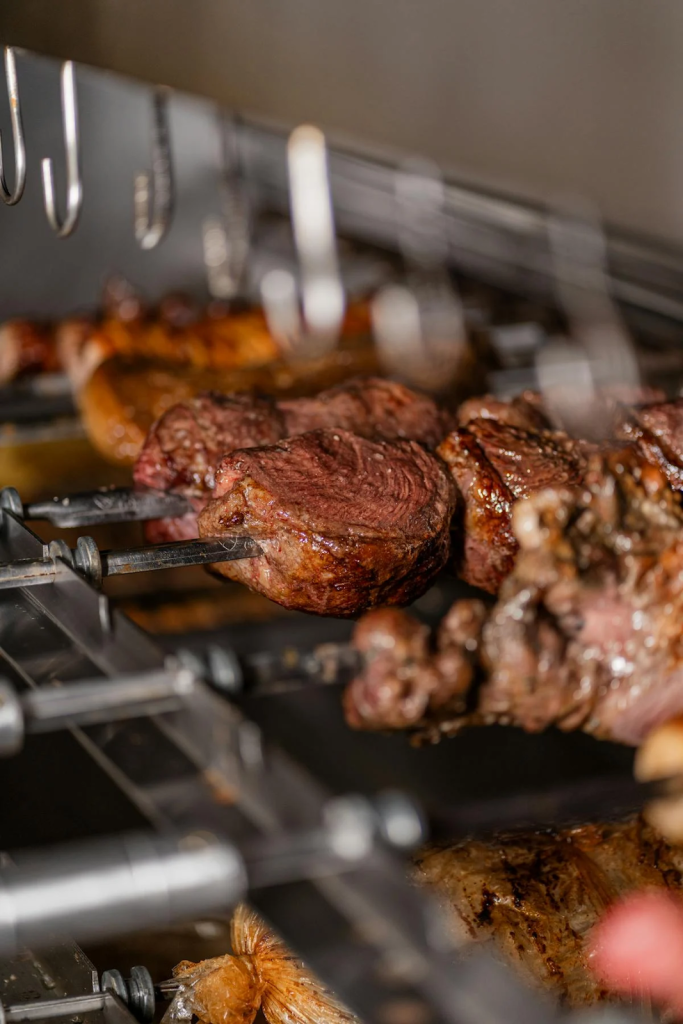
Singapore’s multicultural environment makes this step especially important. Some guests may avoid pork or beef, others may prefer non-spicy options, and there may be attendees looking for gluten-free or low-carb meals. Providing inclusive food options sends a strong message that your company values all employees and guests.
In larger events, offering multiple food options side by side is usually the best route. Have clearly labeled vegetarian, vegan, and allergen-free options. If you’re working with a caterer that specializes in international cuisines, such as Peranakan, Indian, or Mediterranean food, ensure the spice levels and ingredients are adjustable to suit the audience.
Decide on the Best Catering Style
The structure and tone of your office event will determine which catering service style best fits. There are several service types to choose from:
Plated Meals
This is the most formal option and is suitable for boardroom settings, awards dinners, and product launches. Each guest receives an individually plated meal, which allows for elegant presentation and portion control. This style promotes order and minimizes food waste, though it requires more planning and coordination.
Buffet Service
Popular for medium to large gatherings, buffets offer variety and flexibility. Guests can choose their preferred dishes and portions, and dietary needs can be more easily accommodated. Buffets work well in semi-formal and casual office events, including team lunches or internal celebrations.
Food Stations
These are interactive and entertaining, ideal for networking events or festive occasions. Guests visit stations such as a pasta bar, taco corner, or sushi chef for freshly prepared dishes. Stations encourage movement and conversation while also allowing for a personalized dining experience.
Bento Boxes or Packed Meals
Efficient and tidy, packed meals are a practical solution for in-office lunches, seminars, or meetings with limited space and time. Caterers often provide beautifully arranged bento-style meals that are not only easy to distribute but also visually appealing.
Curate a Balanced Menu
A successful office catering menu should appeal to as many people as possible, so balance is essential. Include a variety of proteins (such as chicken, fish, and tofu), carbohydrate options (like rice, noodles, or bread), and vegetables. For dessert, mix indulgent treats with fresh fruit or low-sugar alternatives.
Try to combine familiar favorites with a few exciting or new dishes. While you want comfort and approachability, offering something unexpected—like a fusion appetizer or a seasonal dessert—can spark conversation and add flair.
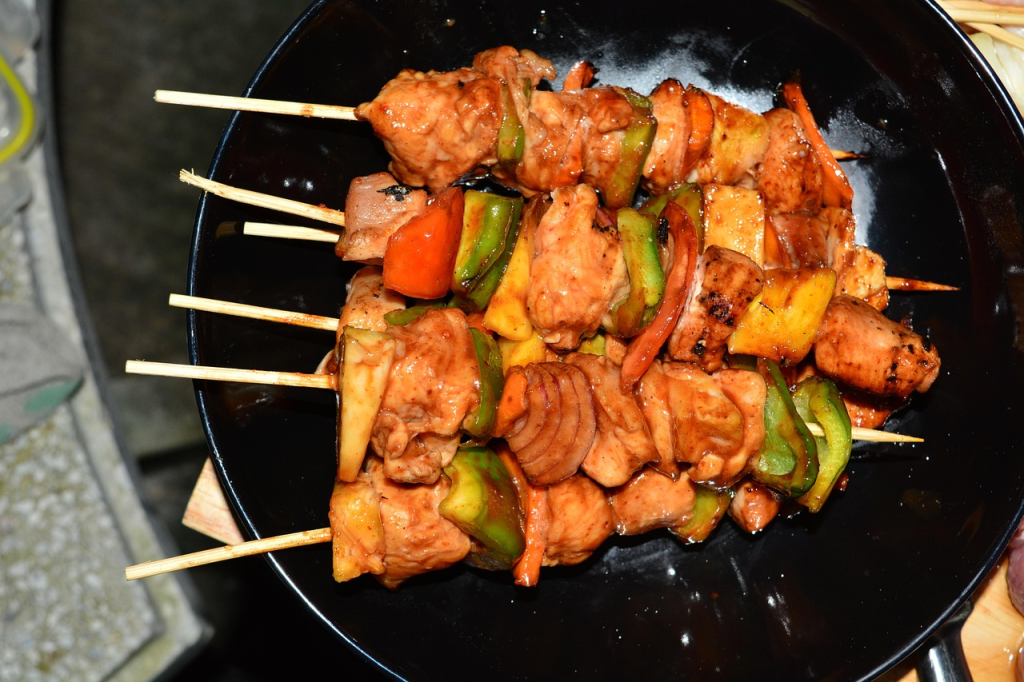
Think also about the flow of the meal. Starters should be light, mains satisfying, and desserts not overly heavy. Avoid overly messy or hard-to-eat foods, especially for stand-up events. Finger foods, sliders, or satay sticks are far more convenient than dishes that require cutlery and sauce management.
Match the Menu with the Season and Time of Day
Singapore’s climate is consistently hot and humid, which influences appetite and food safety. Choose lighter, refreshing foods for daytime events and heartier meals for evening affairs. Also, align your menu with the time of day. Breakfast events may feature pastries, fruit, and coffee, while mid-day events often benefit from a mix of hot and cold dishes.
Leverage seasonal ingredients where possible. Not only does this support local producers, but it also ensures your menu is fresher and more cost-effective. Summer fruits, for instance, are excellent for juices and desserts, while local greens can add brightness to salads.
Consider Logistics and Venue Limitations
Your event space may impact your menu decisions more than you expect. If you’re hosting the event at your office, confirm if there’s a pantry, power sources, or refrigeration available. For venues without a kitchen, choose food that can be transported easily and doesn’t require last-minute preparation.
Discuss these constraints with your caterer so they can recommend menu options that suit your setup. For example, hot dishes delivered in insulated containers may replace those requiring on-site grilling. Buffet layouts should consider room flow and space for queues.
Stick to Your Budget Without Sacrificing Quality
Budget is a critical factor, but it shouldn’t mean compromising on quality. Share your budget upfront with your caterer and explore creative ways to maximize value. Buffet options are typically more economical than plated meals. You can also cut costs by focusing on fewer, high-quality dishes instead of an extensive spread.
Caterers can suggest menu modifications that retain flavor and presentation while reducing ingredients or complexity. Seasonal and locally sourced items are often more affordable and fresher, adding value without escalating costs.
Don’t Forget Beverages and Finishing Touches
Beverages are sometimes an afterthought, but they contribute significantly to the dining experience. Always offer a range of drinks—water, juices, coffee, and tea are the basics. For evening events or celebrations, wine and non-alcoholic cocktails may be appropriate.
Desserts provide the final impression of your meal, so choose wisely. Miniature pastries, mousse cups, and fruit tarts offer bite-sized elegance. Make sure to label desserts with potential allergens, such as nuts or dairy.
If you’re marking a special occasion—like a company anniversary—consider themed desserts or a custom cake to commemorate the moment.
Partner with a Reputable Caterer
A trusted caterer will be your best ally in curating the ideal menu. Experienced vendors not only handle food preparation and service but can advise on logistics, portion sizes, and presentation. They should be willing to accommodate special requests, provide tasting sessions, and walk you through service options.
In Singapore, options like EZBBQ offer wide-ranging menu styles with Halal certification, vegetarian options, and flexible event packages that cater to both corporate and casual settings.

Final Checks and Communication
Once you’ve selected your menu and service style, go through a detailed checklist with your caterer. Confirm delivery times, the number of service staff, equipment required, and contingency plans for unexpected situations. Provide your final guest count well in advance, and ensure everyone involved knows the event timeline.
Follow up the event with feedback—it helps your caterer improve and prepares you better for future planning.
Conclusion
Choosing the right catering menu for your office event is a balancing act that involves understanding your audience, setting, and objectives. Done right, it turns a gathering into an experience, showcasing your company’s culture while leaving guests satisfied and impressed. With careful planning, open communication, and the right catering partner, your next office event will be remembered not just for the speeches or agenda, but for the delightful culinary experience you offered.


Subscribe to learn more about AI
By clicking “Subscribe” you agree to Semrush Privacy Policy and consent to Semrush using your contact data for newsletter purposes