Barbecue has long been a cherished aspect of Singaporean life, resonating deeply with its multicultural heritage. From the sizzling aroma of satay on street corners to high-end restaurants pushing the boundaries of wood-fire cooking, barbecue in Singapore has evolved significantly over the decades. By 2025, this evolution reflects a fascinating tug-of-war—and an eventual harmony—between the old and the new.
Traditional BBQ remains popular because it brings people together with the warm comfort of familiar flavors and time-honored cooking methods. However, modern innovations, from smart grills to global fusion recipes, are reshaping expectations and elevating the experience. As Singapore continues to position itself as a global culinary capital, its BBQ scene now balances heritage with innovation in striking and delicious ways.
The Heart of Tradition: Why Classic BBQ Still Matters
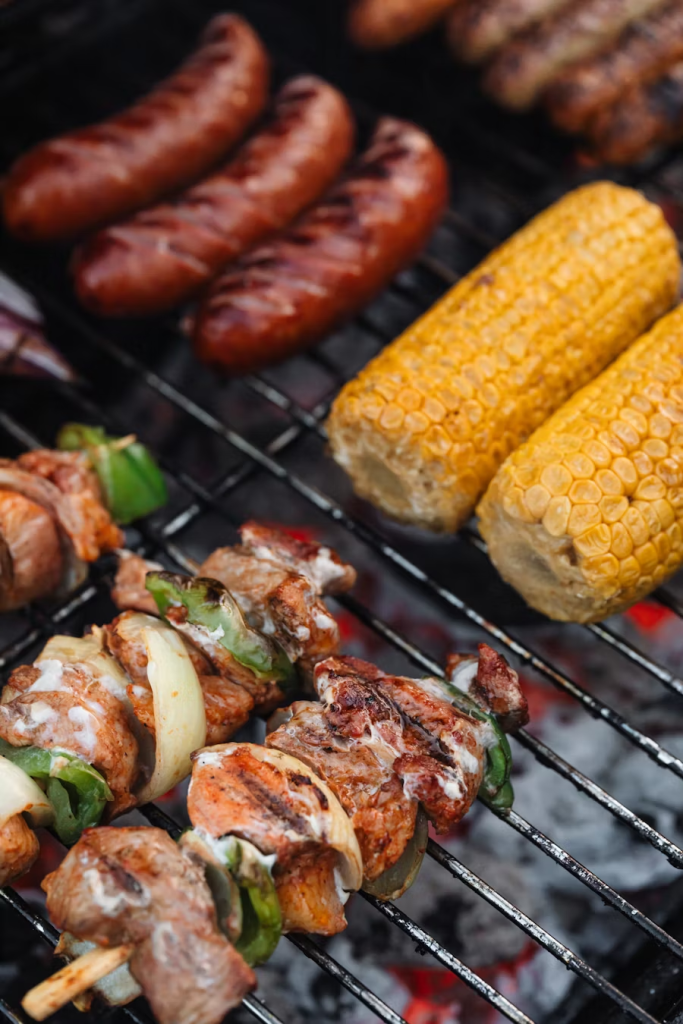
Traditional BBQ in Singapore is more than a cooking method—it’s a cultural ritual. For many, it brings to mind gatherings at East Coast Park or chalets at Pasir Ris, where families, school friends, or coworkers come together to unwind. The charcoal pit is the centerpiece of these occasions, not just because it cooks the food, but because it draws people in.
The flavor profile of traditional BBQ is unmistakably tied to charcoal. Unlike gas grills, charcoal allows for the iconic smokiness that defines classics such as sambal stingray, chicken wings marinated in soy and honey, and the ever-present otak-otak. It’s not just about what’s cooked but how it’s cooked—the crackling of fire, the flipping of skewers, and the social interaction it fosters all contribute to the experience.
Preparation also plays a vital role. In many households, marinades are made from scratch using recipes passed down through generations. Whether it’s lemongrass chicken, mutton satay, or turmeric prawns, these dishes are steeped in cultural memory. The act of prepping and cooking together is, in itself, an extension of traditional values—cooperation, patience, and the joy of shared labor.
A Shift Towards Sophistication: The Modern BBQ Movement
While traditional BBQ remains beloved, Singapore’s culinary landscape is increasingly shaped by modern interpretations that elevate barbecue to new heights. In 2025, a wave of restaurants and private chefs are redefining what barbecue can be. Establishments such as Burnt Ends and Meatsmith have played a leading role in showcasing how wood fire and smoke can transform ingredients when paired with precise technique.
At these modern BBQ spots, menus are often seasonal and curated. Beef briskets are slow-cooked for hours, pork tomahawks are given a sophisticated dry rub, and vegetables are roasted over embers to bring out their natural sweetness. Rather than focusing solely on the grill, modern BBQ often incorporates sous-vide, curing, and fermentation to bring complexity to every dish.
The equipment used also speaks to this transformation. Smokers and fireboxes, rarely seen in traditional settings, are now part of many professional kitchens and even home BBQ setups. Chefs track internal meat temperatures via wireless thermometers linked to smartphones, allowing for precise, restaurant-quality results at home.
The Emergence of Smart BBQ Tools
2025 has seen a dramatic rise in the use of smart technology in outdoor cooking. Bluetooth and Wi-Fi-enabled grills are becoming increasingly common among home chefs and professionals alike. These high-tech BBQ setups allow users to control grill temperatures from mobile apps, set cooking timers, and even receive notifications when it’s time to flip or serve.
Smart grills eliminate much of the guesswork traditionally involved in barbecuing, making the experience more accessible for beginners while still providing tools that enthusiasts can appreciate. As Singaporeans lead increasingly busy lives, these technologies help preserve the BBQ tradition without sacrificing convenience or quality.
Expanding the Flavor Palette: Global and Fusion Influences
Another key trend reshaping BBQ culture in Singapore is the embrace of global influences. Given Singapore’s already diverse food scene, it’s no surprise that Korean, Japanese, and Mediterranean barbecue techniques are making their way into local grilling practices.
Korean BBQ, with its tabletop grills and variety of marinated meats, has found a strong foothold. Ingredients like gochujang and bulgogi marinades are being incorporated into otherwise traditional Singaporean recipes, giving dishes a bold, contemporary twist. Middle Eastern flavors are also gaining ground, with lamb koftas and za’atar-spiced chicken joining the BBQ lineup.
Fusion BBQ reflects not just Singapore’s multicultural makeup but also its curiosity and openness to experimentation. It’s now common to see satay sticks glazed with teriyaki or sambal-marinated tofu served alongside grilled asparagus with miso butter. These fusions are not gimmicks—they are a genuine reflection of how food evolves when traditions are kept alive through adaptation.
Sustainability and Conscious Grilling
Sustainability is no longer a fringe concern. In 2025, BBQ in Singapore increasingly includes discussions about food sourcing, waste management, and environmental impact. Restaurants and home cooks alike are looking for grass-fed, ethically raised meats and seafood from sustainable fisheries.
Plant-based options are also on the rise. Whether it’s grilled Impossible burgers or mushroom steaks, meat alternatives are becoming more accepted not just by vegetarians, but by those seeking a more climate-conscious lifestyle. These ingredients are often cooked with the same care as traditional proteins, ensuring they deliver on both flavor and texture.
Eco-conscious BBQ setups are trending as well. Reusable or biodegradable serving ware, solar-powered grills, and low-emission charcoal are all being embraced by the new wave of environmentally aware grillers.
The Social Shift: From Backyard to Boutique BBQ Events
As BBQ culture evolves, so does its context. Where barbecues were once largely informal, many are now becoming curated experiences. Corporate event planners increasingly turn to BBQ catering companies like ezBBQ to organize interactive live-grill stations at networking events and team bonding sessions.
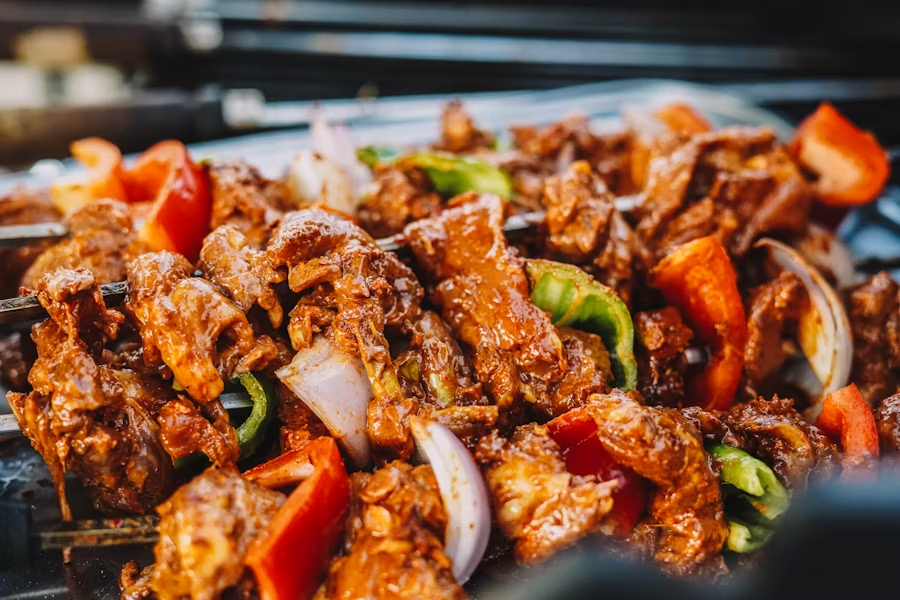
Private chefs for hire have also become more common, with families and groups opting for at-home experiences where gourmet BBQ is prepared on-site. These modern BBQ events often include menu customization, themed decor, and even live music—blending the laid-back charm of a BBQ with the structure of a formal gathering.
This shift toward upscale, experiential barbecuing doesn’t replace the simplicity of park BBQs or family chalet gatherings—it complements them. There’s now a BBQ for every occasion, from weddings and birthdays to corporate milestones.
What’s Next? Predicting the Future of BBQ in Singapore
As we look ahead, it’s clear that BBQ in Singapore will continue to grow in both complexity and cultural richness. Augmented reality (AR) grilling apps, AI-driven recipe recommendations, and fully sustainable grill ecosystems are already in development. Yet, even as innovation charges ahead, the essence of BBQ—gathering around a flame, sharing good food, and connecting with others—remains unchanged.
This balance of tradition and progress is what makes Singapore’s BBQ scene uniquely compelling. Whether it’s a casual charcoal pit at a public park or a fine-dining wood-fire tasting menu, the common thread is always the same: great food, shared with great people.
Final Thoughts
Barbecue in Singapore is no longer just a weekend activity or a public holiday tradition. In 2025, it has become a reflection of national identity, culinary innovation, and social evolution. Traditional methods continue to hold deep emotional and cultural significance, while modern techniques and technologies bring new flavors, formats, and functions to the table.
What’s trending today is not a choice between the old and the new but a creative blending of both. As Singaporeans continue to embrace diversity in every aspect of life, so too will the barbecue scene expand, incorporating new tools, ingredients, and ideas—while always remembering where it came from.


Subscribe to learn more about AI
By clicking “Subscribe” you agree to Semrush Privacy Policy and consent to Semrush using your contact data for newsletter purposes