Throwing a BBQ party in Singapore offers a fantastic way to enjoy good food and quality time with friends and family. From East Coast Park to HDB common areas and condominium terraces, Singaporeans make the most of outdoor spaces to bring the joy of grilling to their gatherings. However, hosting a BBQ isn’t just about securing the perfect satay marinade or getting the charcoal to light quickly—it also comes with a responsibility to ensure everyone stays safe.
Fire, heat, sharp tools, and food handling all pose risks that can turn a pleasant event into a stressful or even dangerous experience. As BBQ Singapore gatherings become increasingly popular, understanding and applying key safety practices is not just recommended—it’s essential.
Whether you’re grilling on a beach, in a community pit, or on your own patio, these safety tips help keep your event running smoothly while protecting your guests, property, and peace of mind.
Choosing a Safe and Approved Location
Singapore provides a range of public and private venues for BBQs, but not all are equally suited for safe grilling. Public BBQ pits in parks like Pasir Ris, West Coast, and East Coast are maintained by NParks and designed with safety in mind. Booking these facilities through the official portal ensures you’re using a pit that complies with current regulations.
If you’re using a private or condo-based pit, check with your building management for safety guidelines and allowable hours. Ensure the grilling area is well-ventilated, away from flammable materials, and not under low-hanging branches or awnings.
Portable BBQ setups should only be used in spaces where open flames are permitted and fire extinguishing tools are nearby. Never set up a grill in an enclosed room or corridor—even with windows open—due to carbon monoxide risks.
Managing Heat and Flames Responsibly
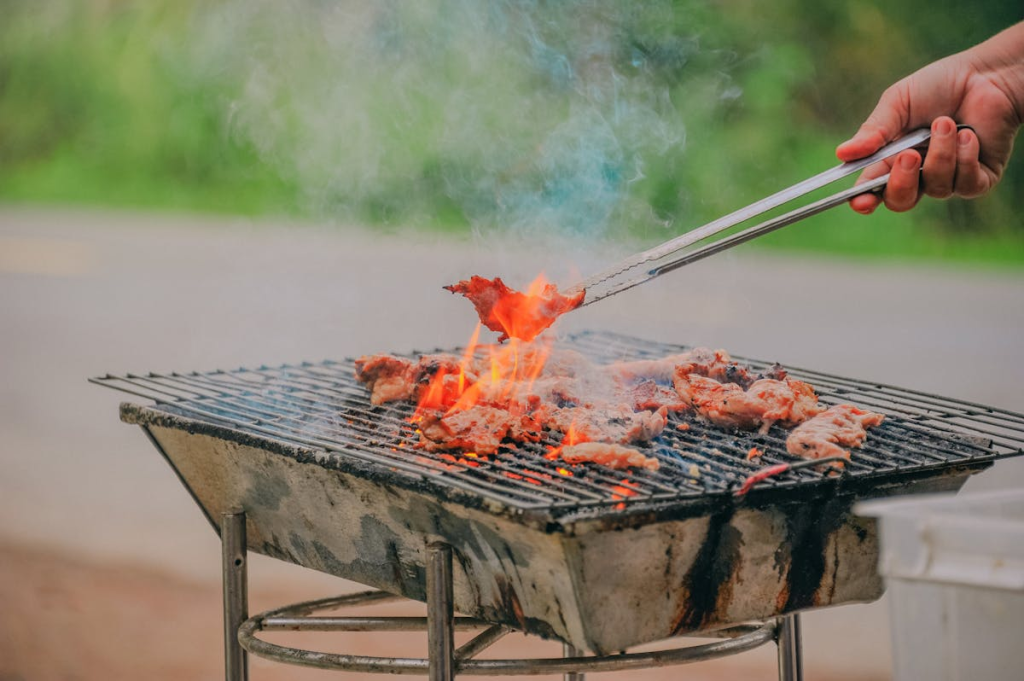
Charcoal and gas grills each carry their own safety considerations. For charcoal grills, use fire starters specifically designed for cooking—never resort to lighter fluid or petrol, which can cause uncontrollable flare-ups. Once the fire is lit, never leave it unattended, especially if children or pets are present.
With gas grills, inspect hoses and connections before each use. A simple leak test with soapy water can help you identify any issues—bubbling indicates a gas leak that must be addressed before lighting. Always open the grill lid before turning on the gas to avoid gas buildup, which can lead to flash fires.
No matter which method you use, have a bucket of water, a bag of sand, or a fire extinguisher nearby at all times. Quick response to sudden flare-ups can prevent small issues from escalating into dangerous situations.
Using the Right Tools and Equipment
Proper BBQ utensils are more than just convenient—they’re critical for safety. Long-handled tongs, spatulas, and forks help keep your hands away from the flames. Heat-resistant gloves provide protection during charcoal arrangement or when adjusting grill parts.
Avoid plastic tools or low-quality gear that might melt, bend, or break under high temperatures. If you’re grilling on a public pit, bring your own clean grill grates or foil to avoid direct contact with rust or residue from previous users.
Ensure the grill is on a stable, flat surface to prevent tipping. Wobbly setups are accidents waiting to happen, especially once the grill is hot or loaded with food.
Safe Food Handling Practices
BBQ Singapore events often include a wide array of meats, seafood, and plant-based options. Keeping all these ingredients safe for consumption starts with maintaining the correct temperatures and avoiding cross-contamination.
Marinate meats in the refrigerator, not on countertops. Use separate cutting boards and utensils for raw and cooked items. If you’re transporting food to a park or beach, use coolers with ice packs to keep perishables below 4°C until they’re ready to be cooked.
Once on the grill, ensure all proteins reach the appropriate internal temperatures—chicken should be cooked to at least 74°C, while beef and lamb can vary based on doneness preference but must be seared thoroughly. Use a food thermometer if you’re unsure.
Never reuse marinades that have been in contact with raw meat unless they’ve been boiled. Bacteria like salmonella or E. coli can easily survive in improperly handled sauces and spreads.
Managing the Crowd Around the Grill
BBQ gatherings often create excitement, and it’s common for guests to gather near the grill. However, crowding increases the risk of accidents. Create a designated grilling zone and communicate clearly that only the cook and their assistants should enter this area.
Use physical markers like chairs or small tables to outline the space. Keep children and pets occupied in a separate part of the event to avoid accidental burns or spills. This simple boundary-setting can prevent unintended injuries while giving the grill master space to work safely.
Weather Awareness and Wind Management
Singapore’s tropical weather is famously unpredictable. A clear afternoon can turn stormy with little notice. Always check the weather forecast before your BBQ and prepare a backup plan in case rain arrives mid-event.
If you’re grilling in windy conditions, position your setup so the wind blows smoke and embers away from the seating or food preparation area. Wind can also accelerate flames and make it harder to control cooking temperatures, so constant attention is required.
In the event of heavy rain or lightning, extinguish the fire completely before relocating the gathering. Never attempt to grill under a tree during a thunderstorm, as this increases the risk of lightning-related hazards.
Safe Disposal of Charcoal and Waste
One of the most overlooked aspects of BBQ safety is what happens after the meal is done. Hot coals can remain dangerous long after the grill appears inactive. Always wait until the charcoal is completely cool before disposing of it. If you need to pack up quickly, extinguish the fire with water and stir the ashes until they stop steaming.
Dispose of used charcoal only in designated metal bins or ash containers—never in plastic bags or trash bins. Improper disposal can lead to fires in waste areas, especially in high-density housing estates.
For food waste and disposables, separate recyclables from general trash and ensure everything is cleared from the site. Many BBQ Singapore spots operate under strict clean-up policies, and failure to comply can result in fines or suspended access to public facilities.
Working with Professional BBQ Caterers
One of the easiest ways to ensure a safe and stress-free BBQ is to engage professionals. BBQ Singapore catering services are well-versed in safety protocols, venue requirements, and food hygiene standards. Their staff are trained to manage flames, handle food responsibly, and respond swiftly to minor emergencies.
They bring their own equipment, manage setup and cleanup, and allow hosts to focus on enjoying the event rather than monitoring grills and timers. For larger gatherings or events in public spaces, hiring professionals ensures both compliance and peace of mind.
Final Thoughts
Hosting a BBQ in Singapore can be a joyful, flavorful experience—but only when safety is made a priority. From choosing the right location to handling food correctly and managing post-event cleanup, every step contributes to a secure and enjoyable gathering.
Whether you’re grilling with friends in a condo courtyard or organizing a catered event at the beach, following these safety tips ensures your BBQ is remembered for the right reasons. In a setting where social gatherings are cherished, nothing says success like a party that ends with happy guests, satisfied appetites, and zero mishaps.


Subscribe to learn more about AI
By clicking “Subscribe” you agree to Semrush Privacy Policy and consent to Semrush using your contact data for newsletter purposes